Events
CEMINAR
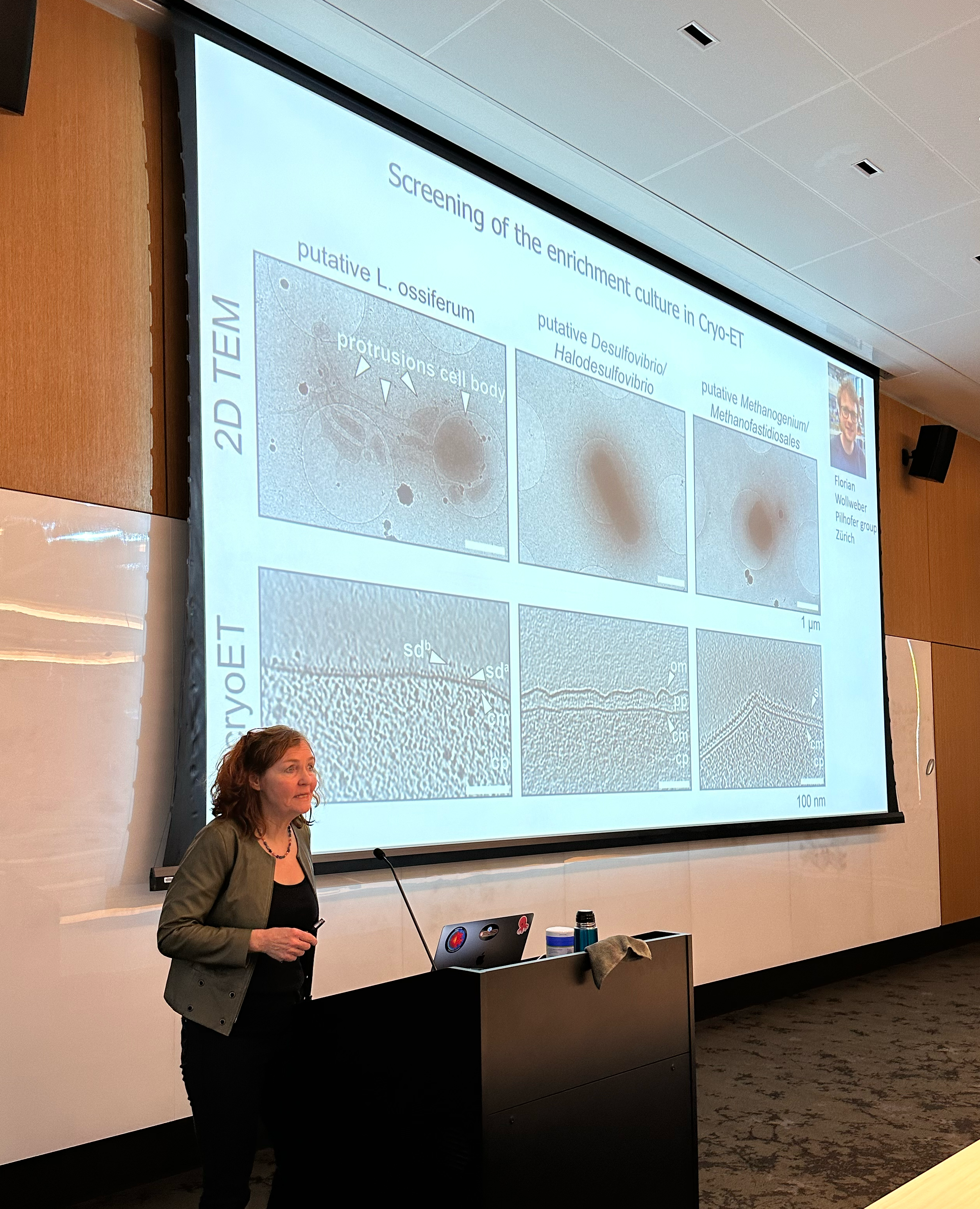
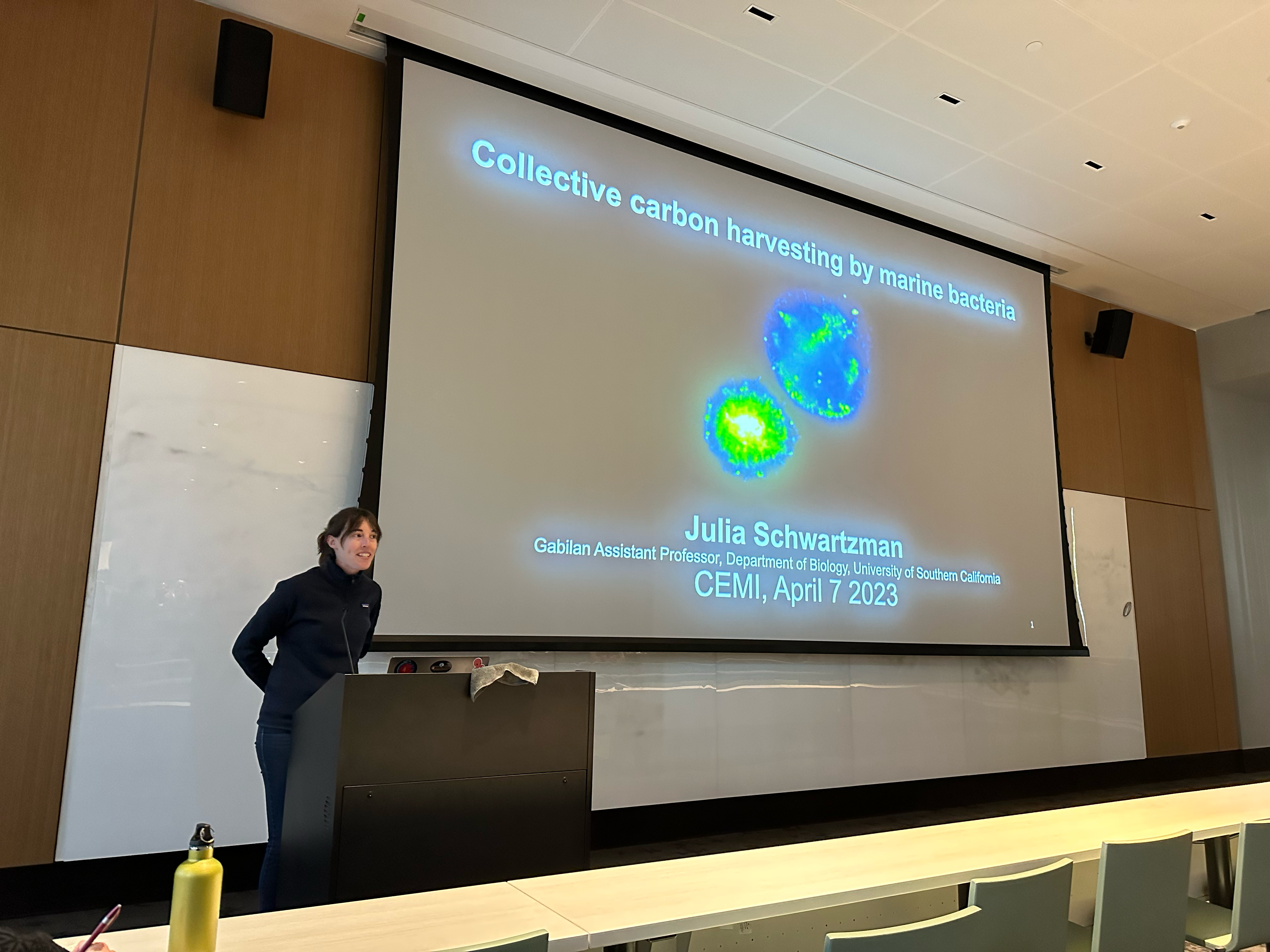
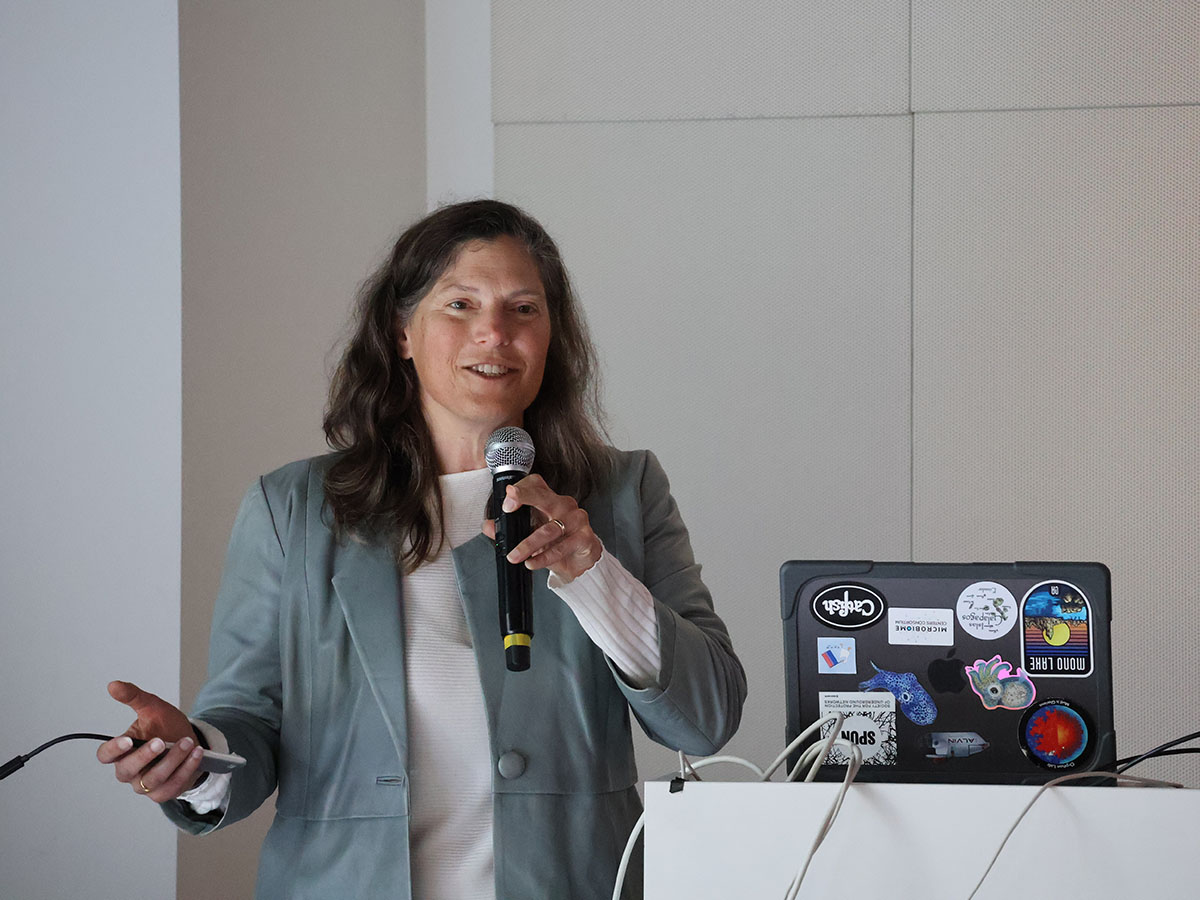
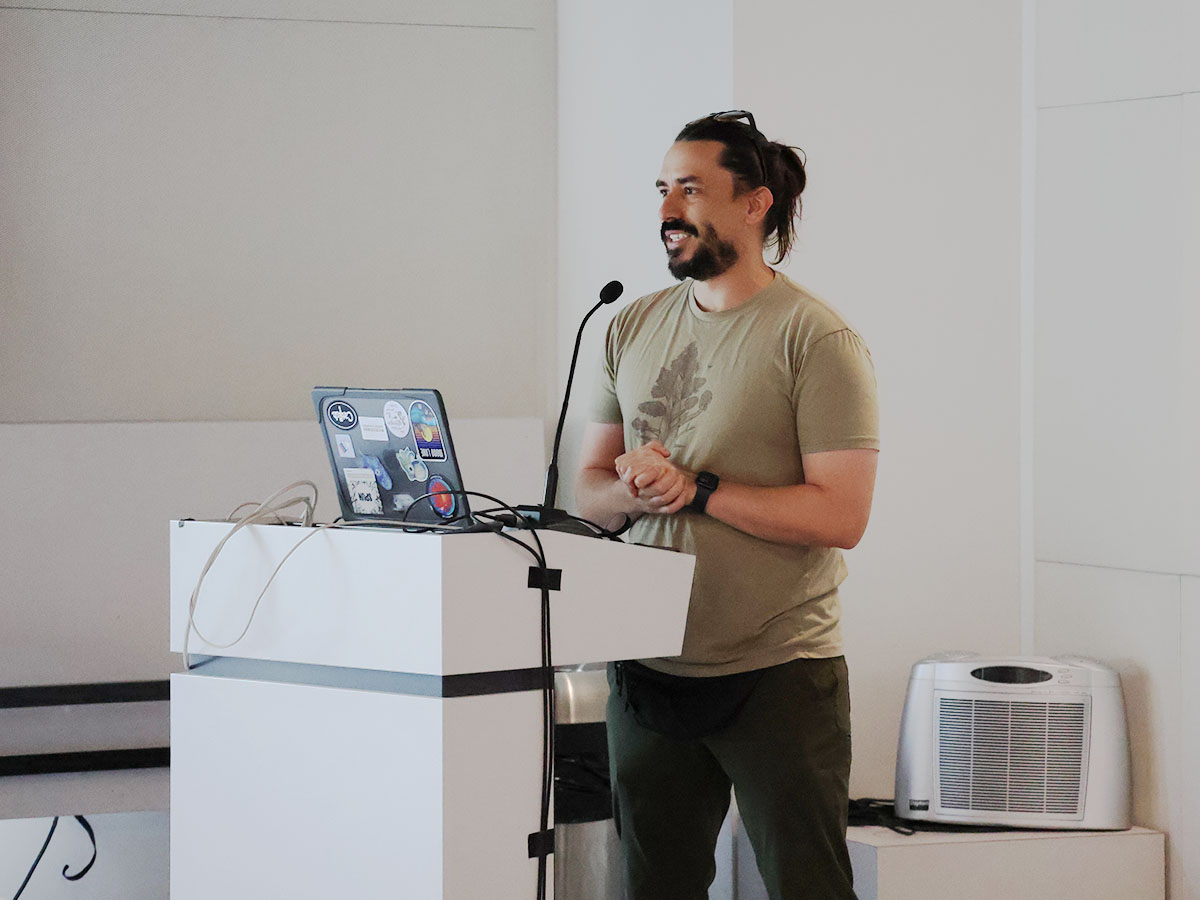
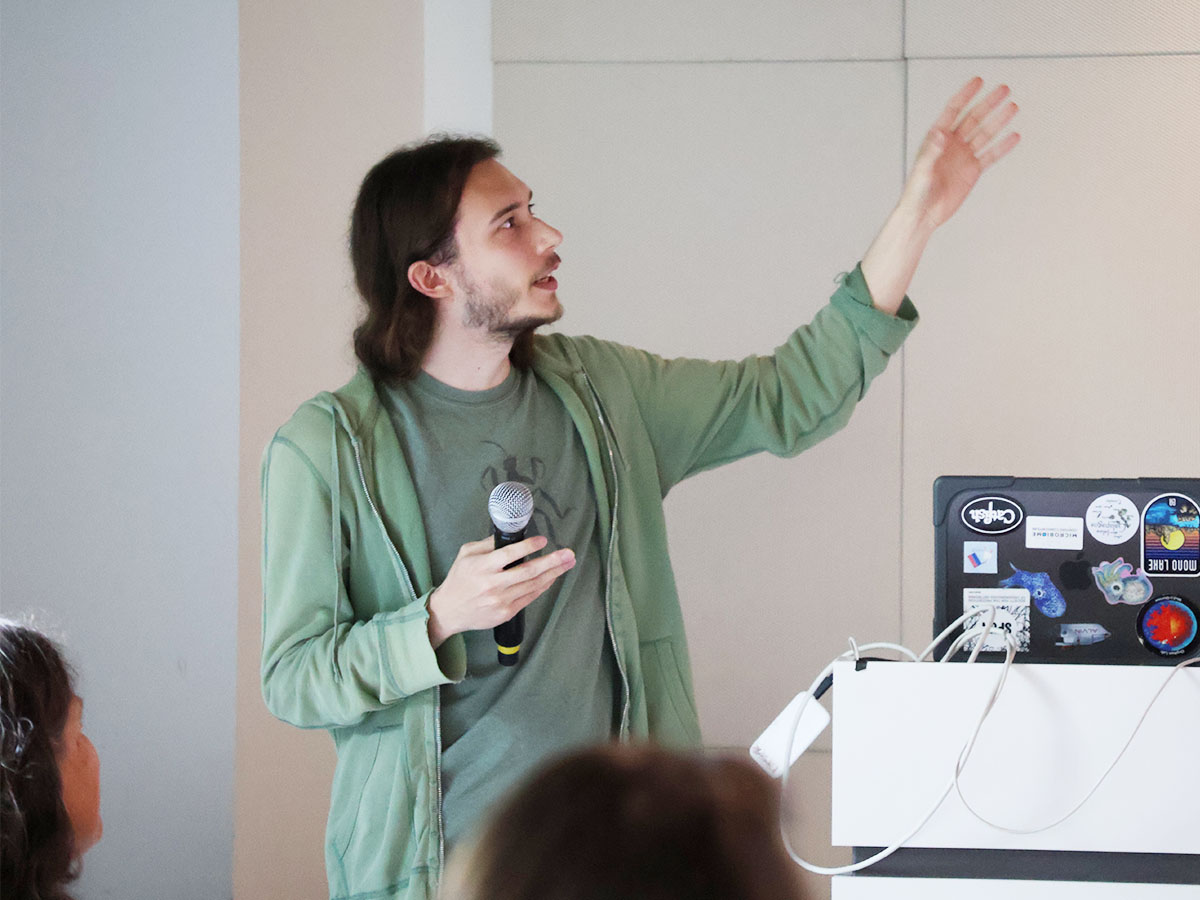
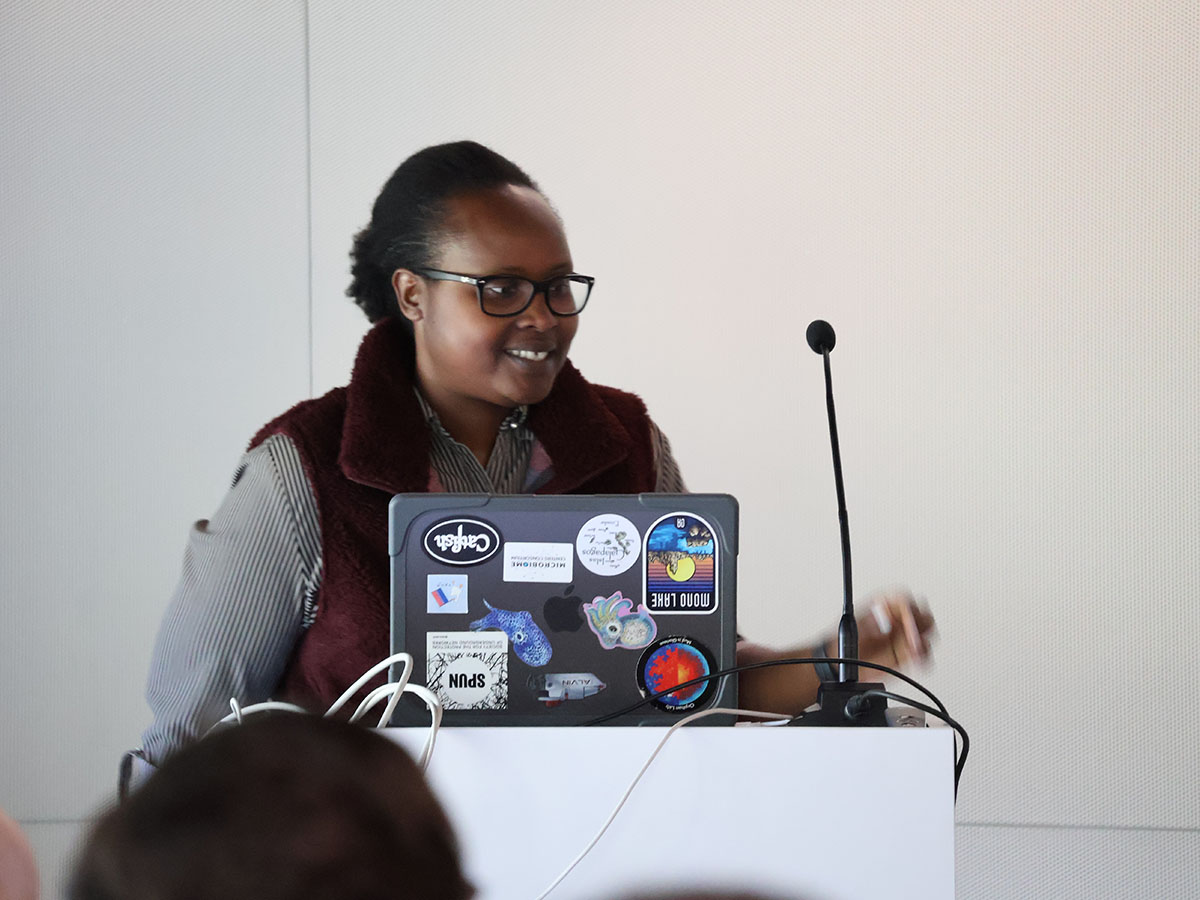
The most important community-oriented activity we sponsor is CEMINAR, formerly MicroMorning, a monthly seminar series where students and postdocs in the CEMI program present their work. Usually 2 individuals present 20-25 min talks (+ 5 min questions) to fill the hour, but on rare occasions we invite an outside speaker. CEMINAR is primarily designed to provide CEMI students and postdocs with an opportunity to practice giving a formal talk to a friendly Caltech audience. Numerous collaborations have been sparked between labs at Caltech thanks to creative connections made during these seminars. View past CEMINARS
CEMINAR talks are non-public events and for the Caltech community, the benefactors of CEMI and invited guests of the CEMI director only.CEMINAR
CEMINAR is on the second Wednesday of every month.
UPCOMING
Wednesday, September 9, 2026
4:00-5:00pm Chen 130
5:00-5:30pm Socializing (snacks and drinks will be provided)
"In a Pinch: Efficient guayule stembark removal for latex extraction"
Siddharth PremnathKornfield Lab
Guayule (Parthenium argentatum) is a promising domestic source of natural rubber, but scalable latex and resin recovery requires efficient stem preprocessing. Current laboratory methods rely on labor intensive manual peeling. This work investigates rolling as a scalable strategy for stembark removal and identifies the geometric and mechanical conditions governing successful separation. Stems were passed through controlled roller gaps and classified from no removal to successful stembark separation and core crushing. Operating maps relating stem geometry to roller gap were constructed to predict debarking behavior. Complementary transverse compression experiments identified the mechanical response associated with bark opening and core crushing.
"Embryonic preparation for long-term symbiosis"
The long-term symbiosis between the host Euprymna scolopes and its bacterial symbiont Vibrio fischeri provides a model for host-microbe interactions. Although much is known about the establishment of this symbiosis after hatching, less is known about the host factors involved in preparing and maintaining the light organ for its future symbiont. Galaxin is an antimicrobial protein associated with the light organ and is one of several host factors that may be involved in this process. Using transcriptomic analysis and confocal microscopy, we examined galaxin expression and localization during embryonic development and early symbiosis to understand what role it may play.
"Impact of symbiosis on host and microbe protein synthesis through Bioorthogonal Noncanonical Amino Acid Tagging (BONCAT)"
The squid-vibrio system is a model system used to study symbiosis due to the binary symbiotic relationship between the host Euprymna scolopes and its bacterial symbiont Vibrio fischeri. Studying the onset of symbiosis typically employs methods such as RNAseq or bulk proteomics however the results of these methods can be misrepresentative of the interactions between host and symbiont. By applying bioorthogonal noncanonical amino acid tagging (BONCAT) to the squid-vibrio system, newly synthesized proteins were localized and identified from both host and symbiont offering a deeper insight into host-microbe interactions during the establishment of symbiosis.
Nicolina Ranieri and Brandon Jatico
McFall-Ngai and Ruby Labs
Social Events
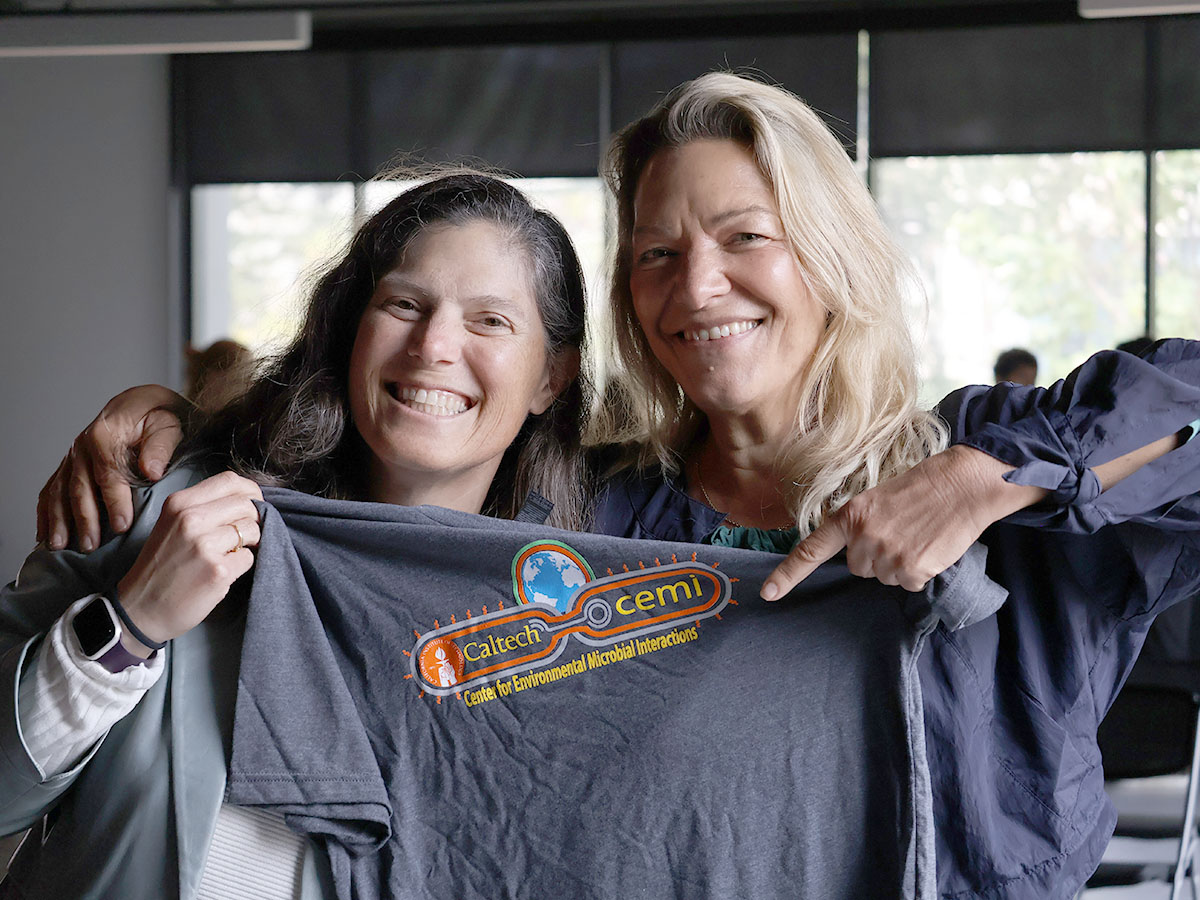
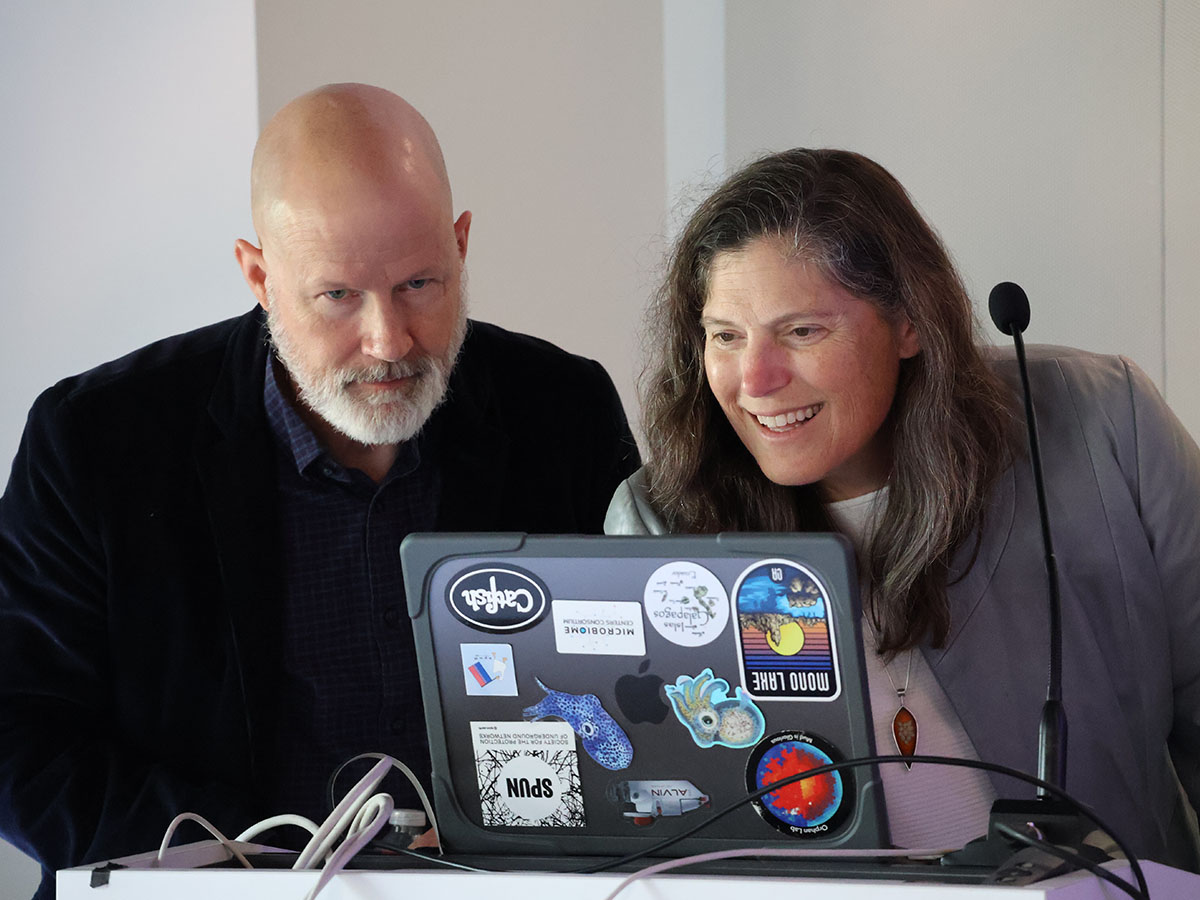
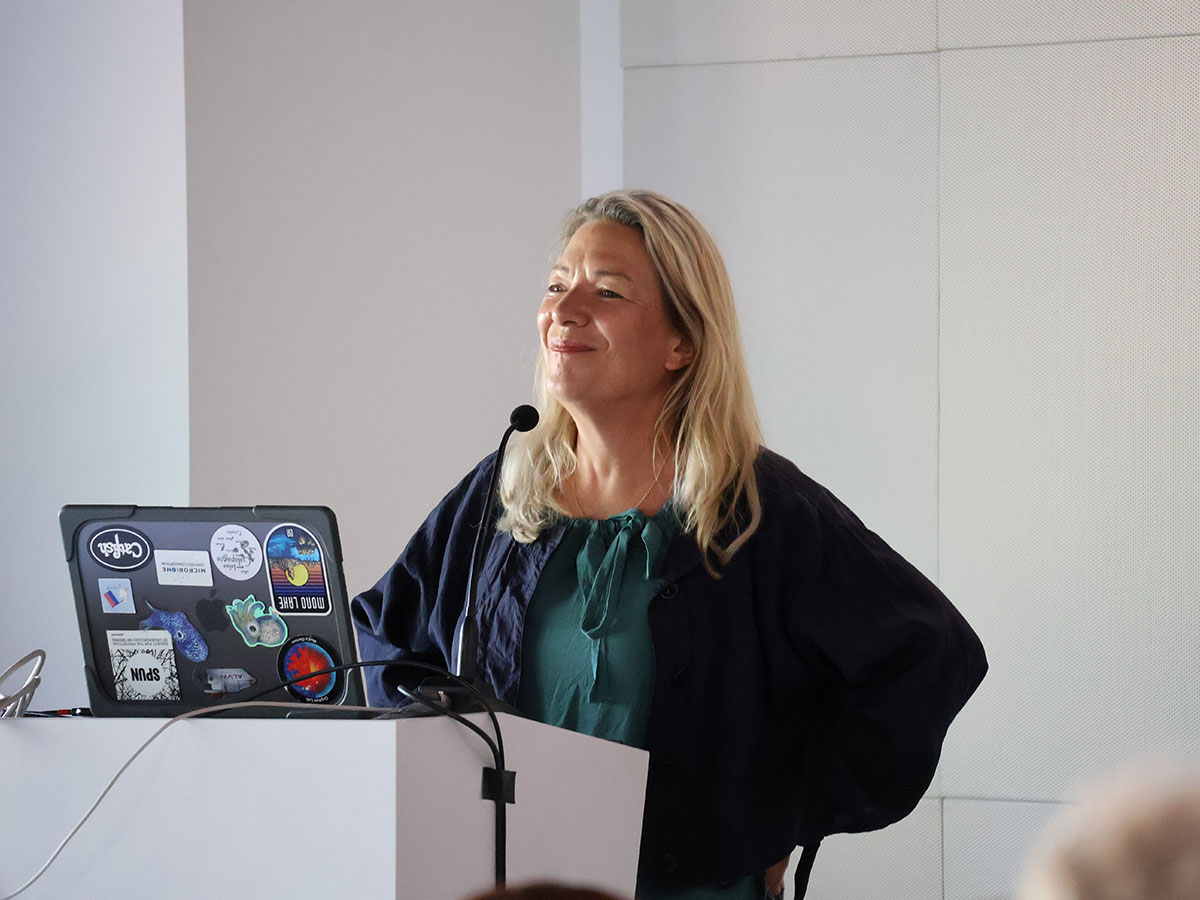



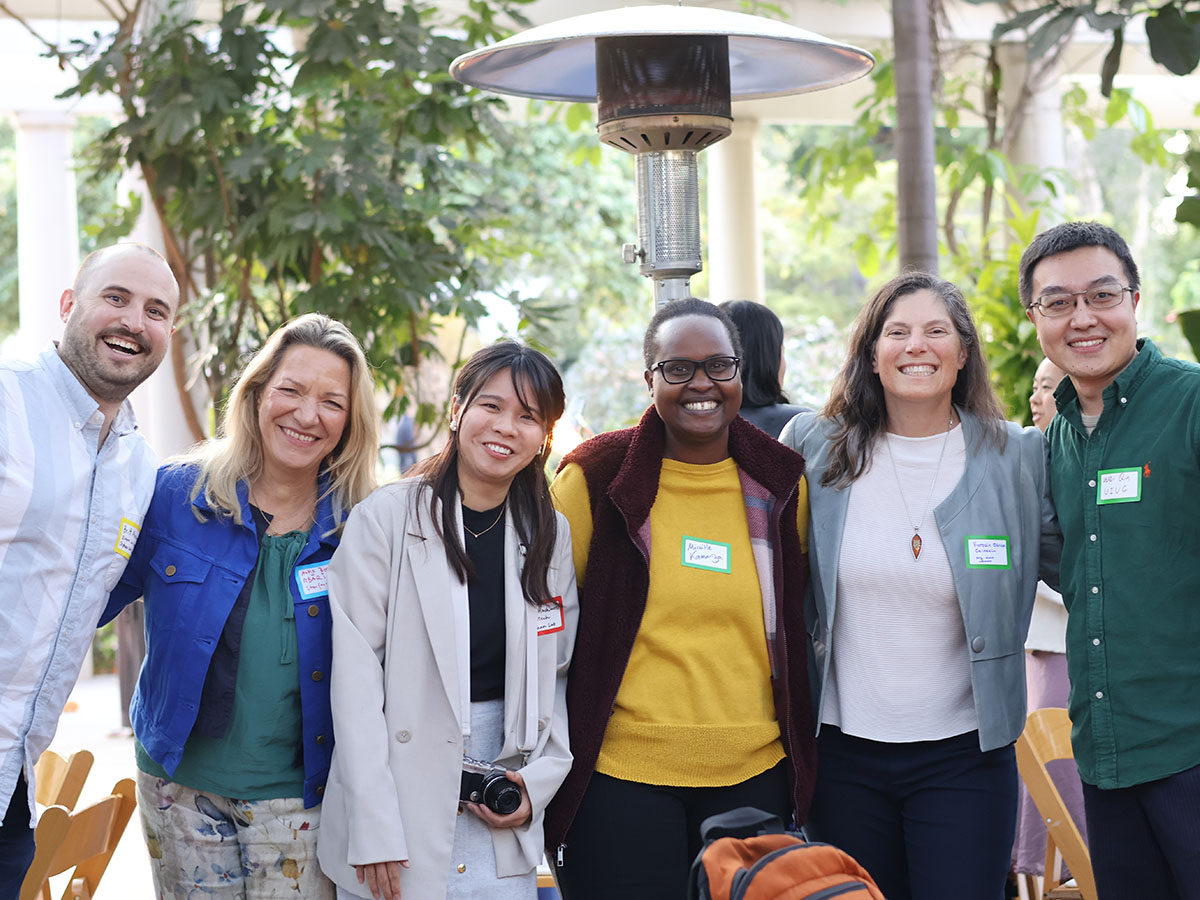
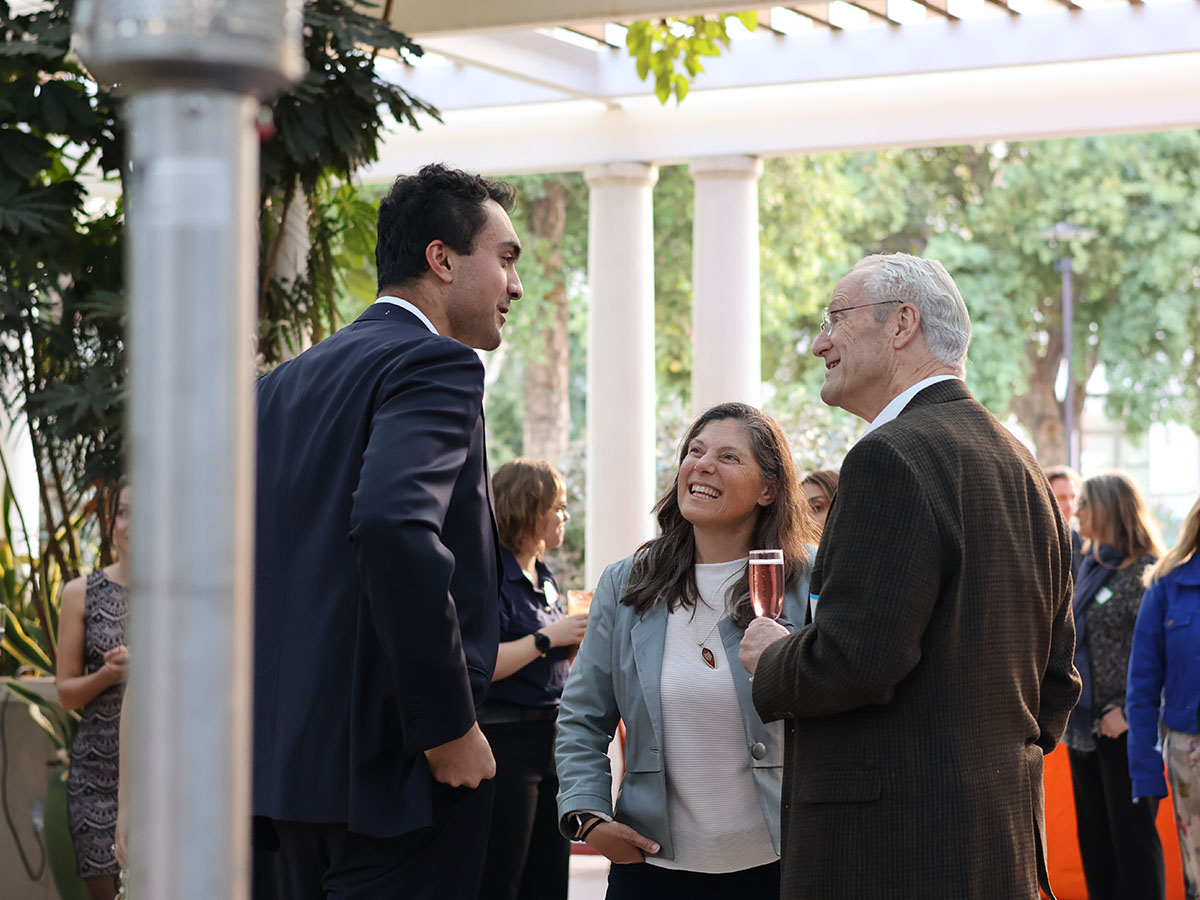
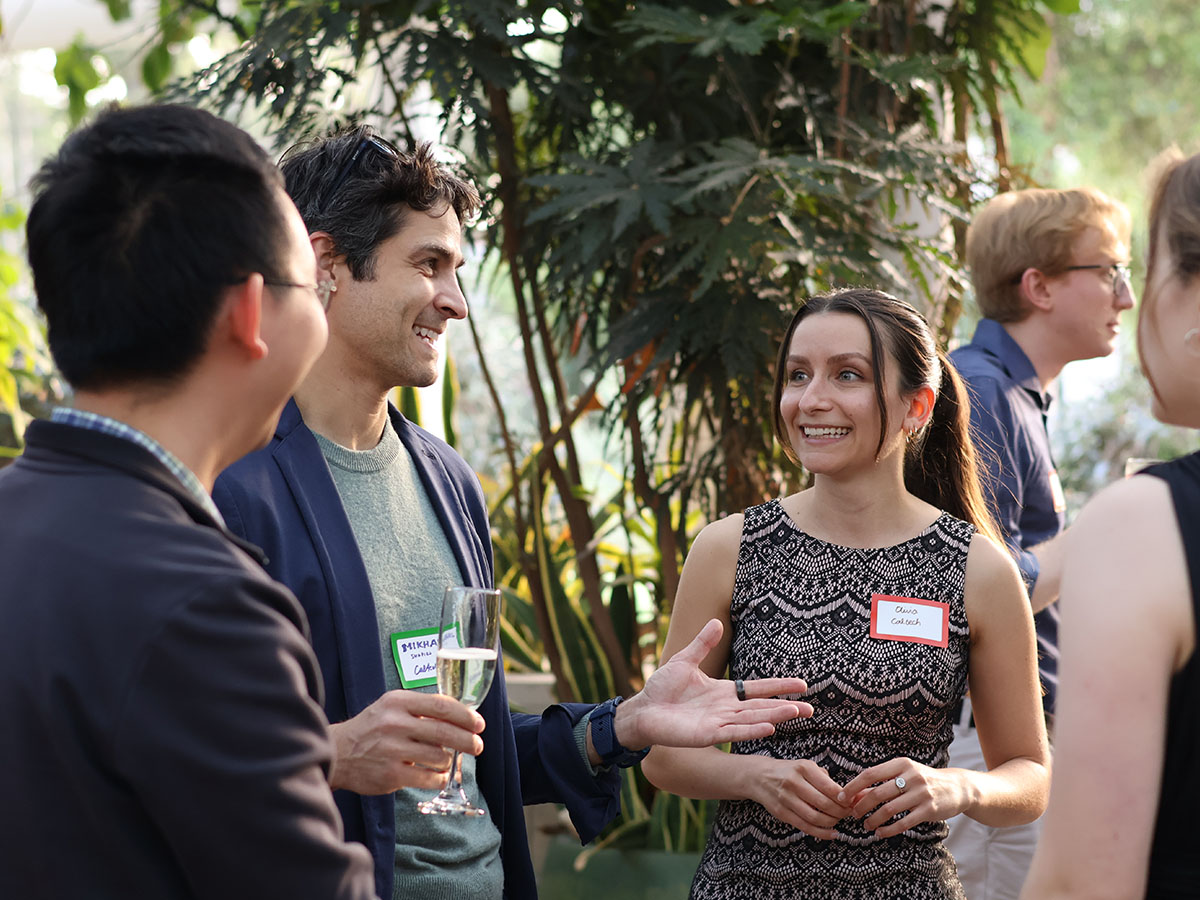


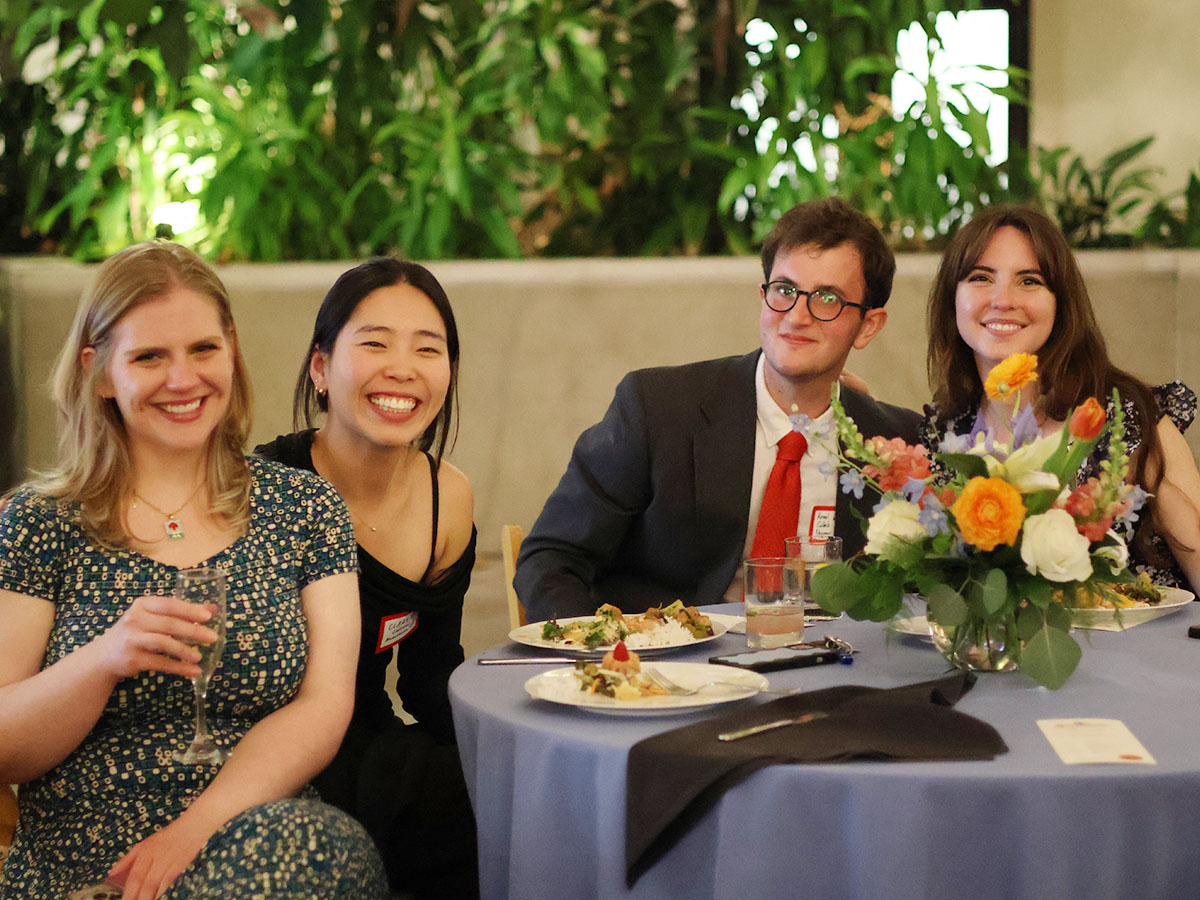

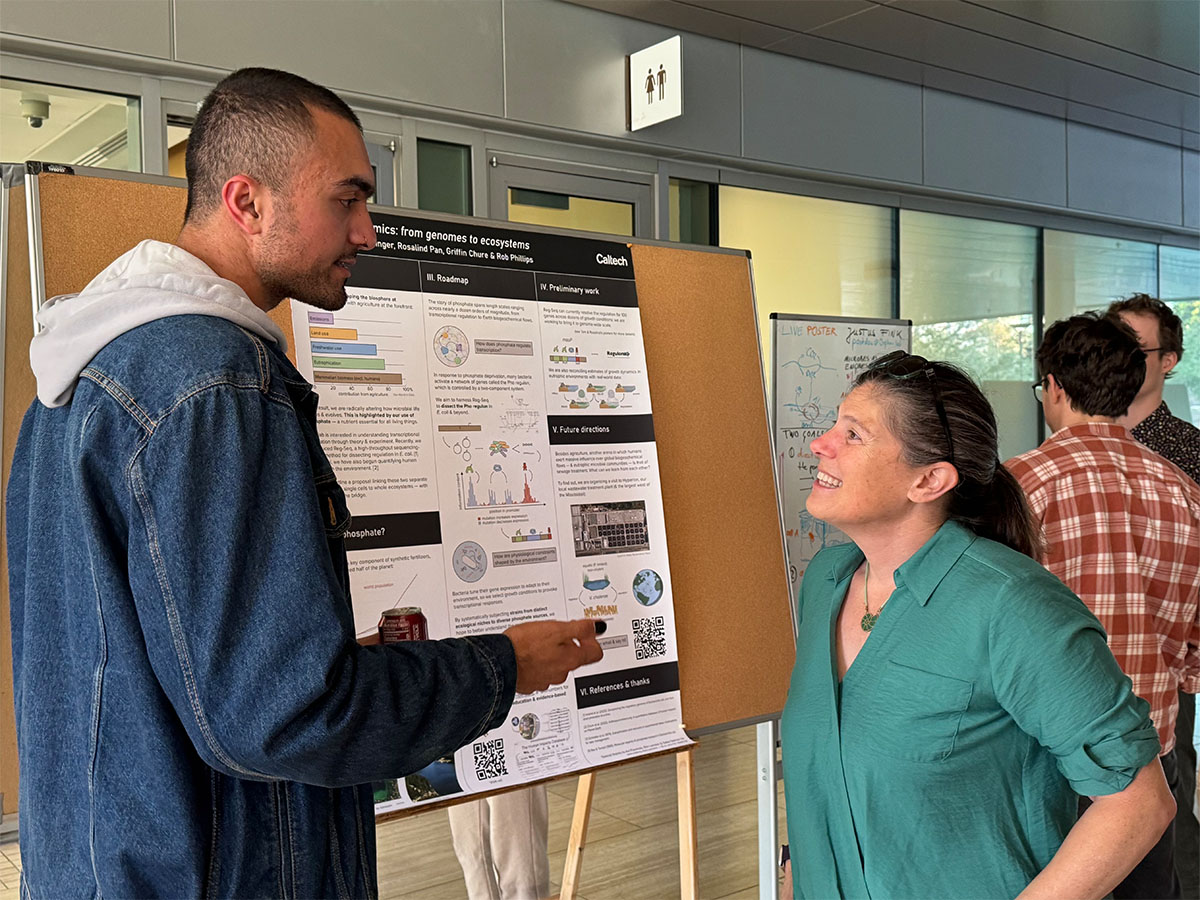
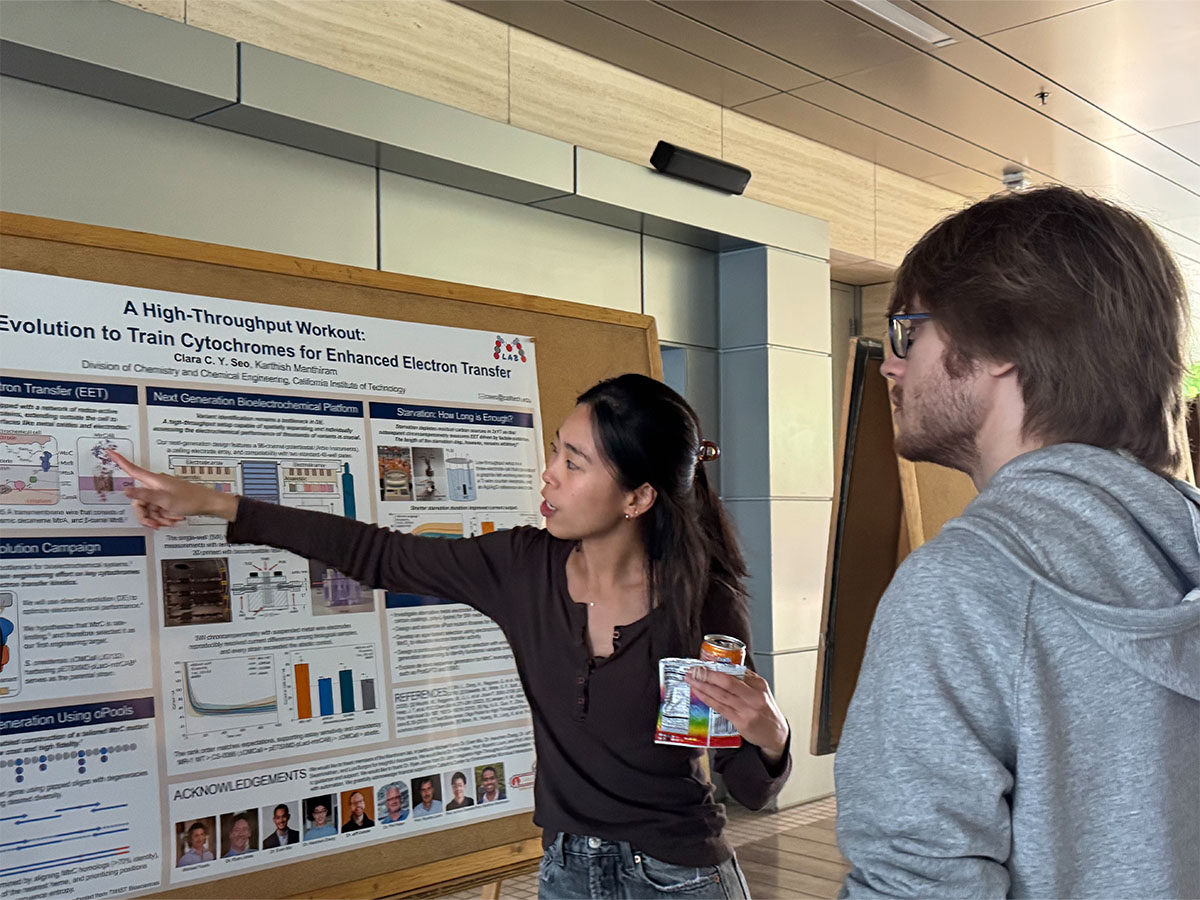
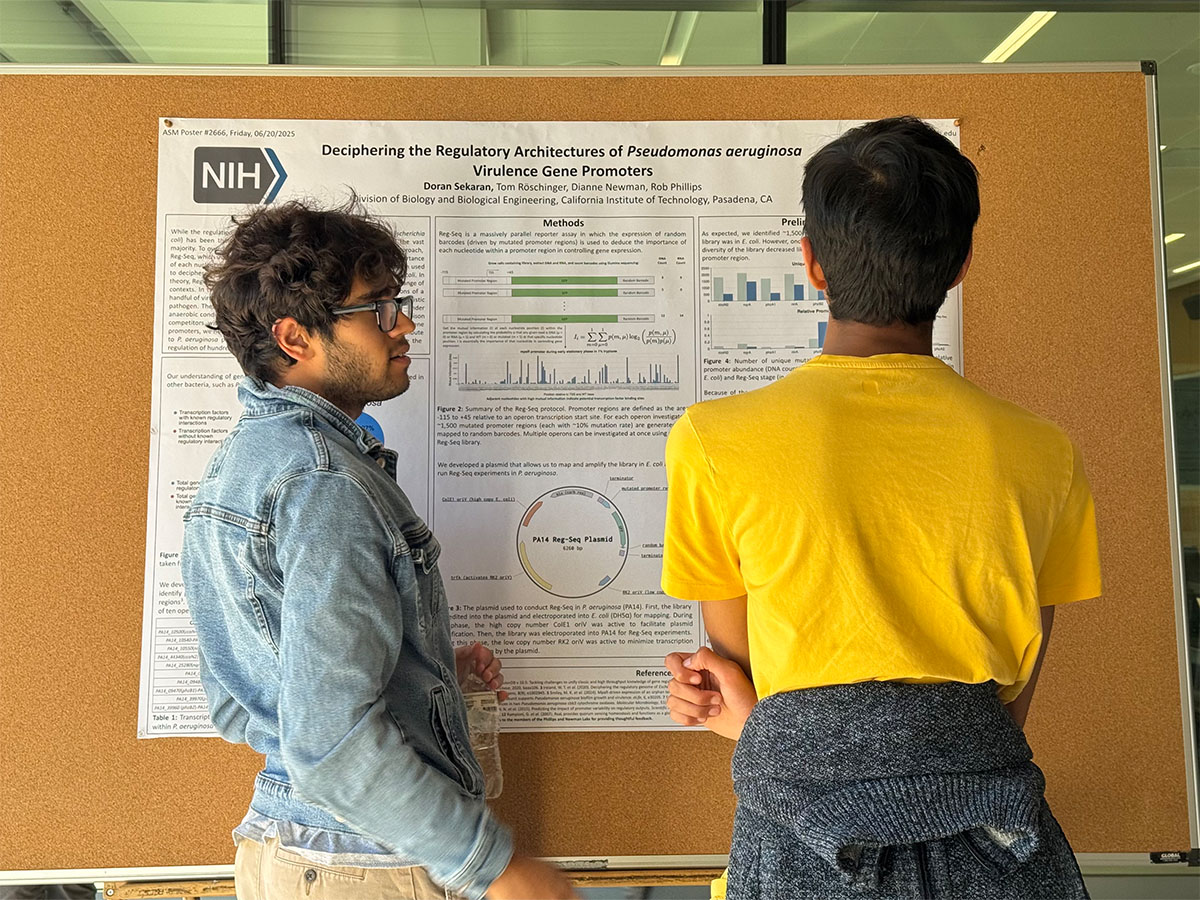
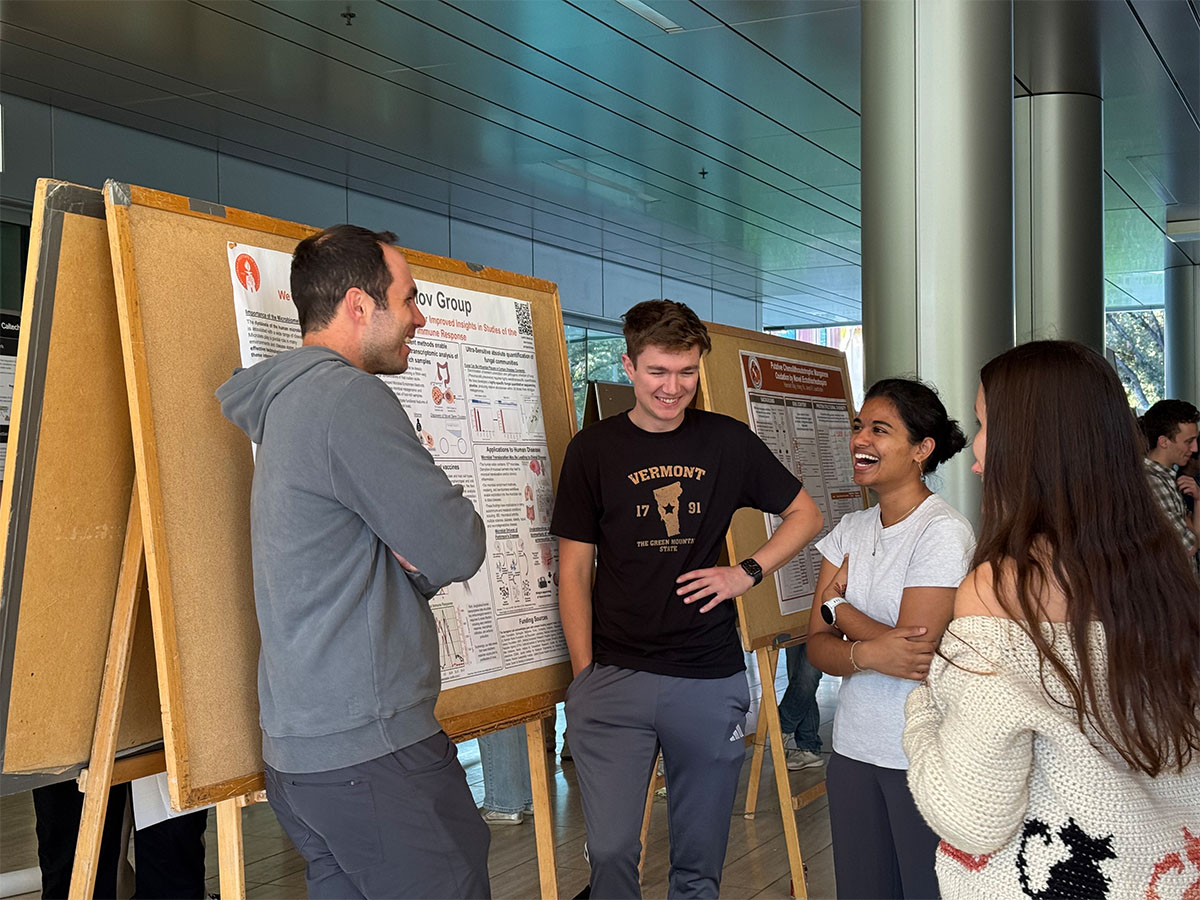
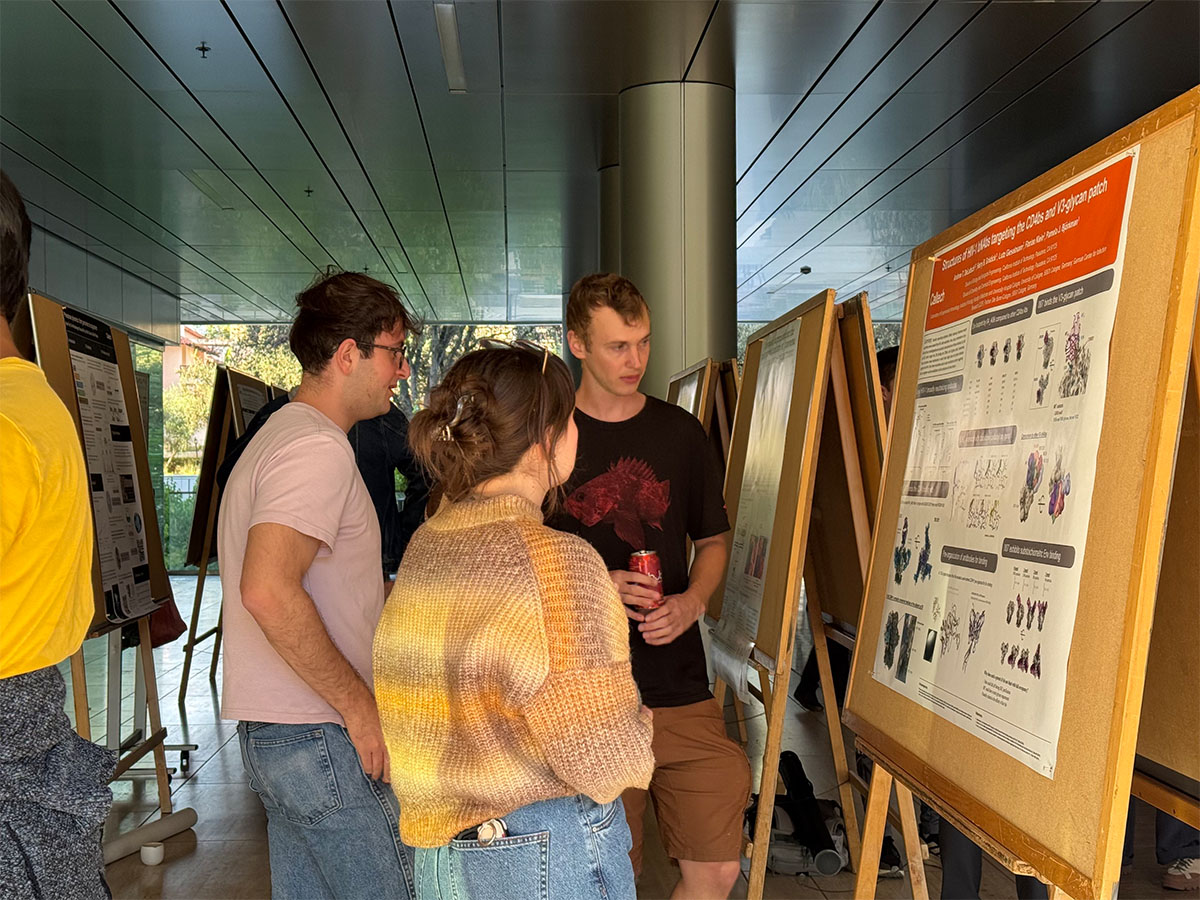
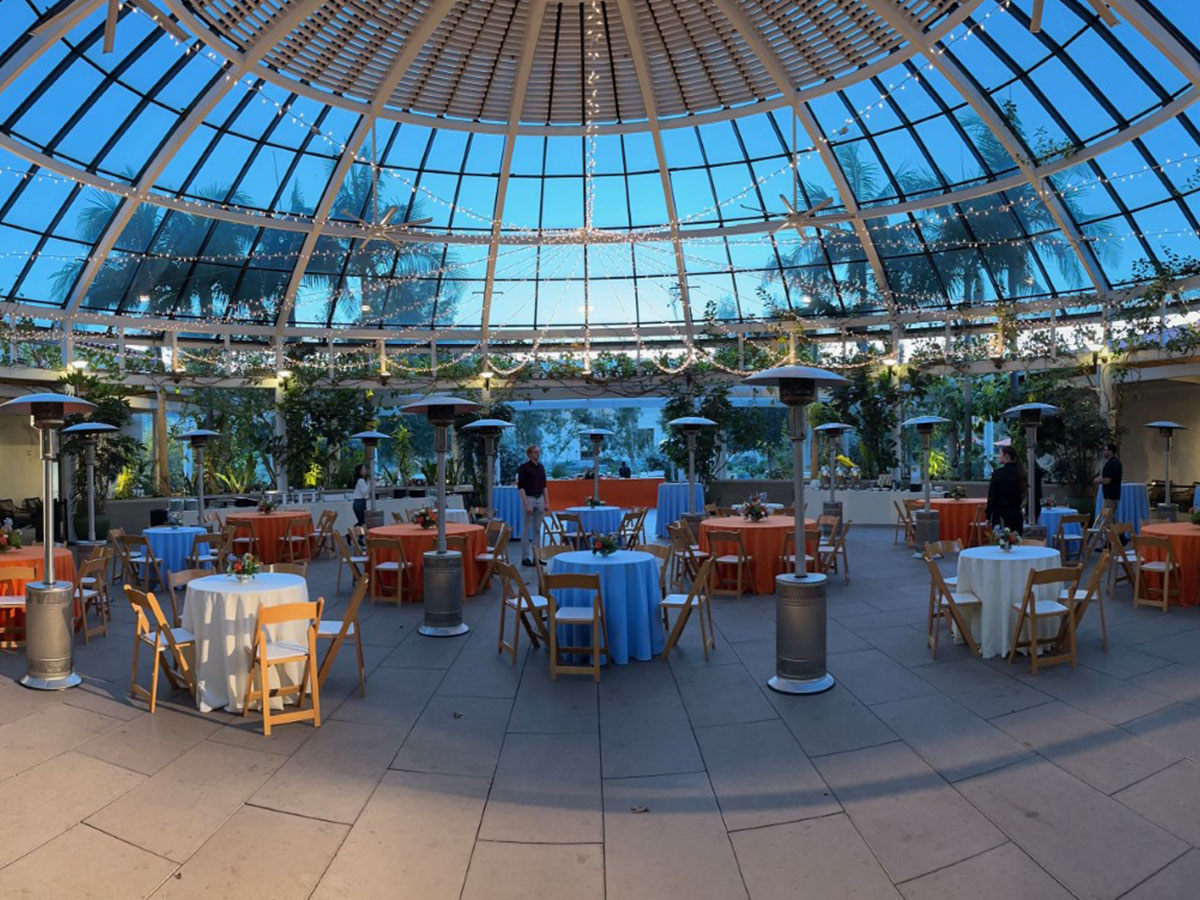
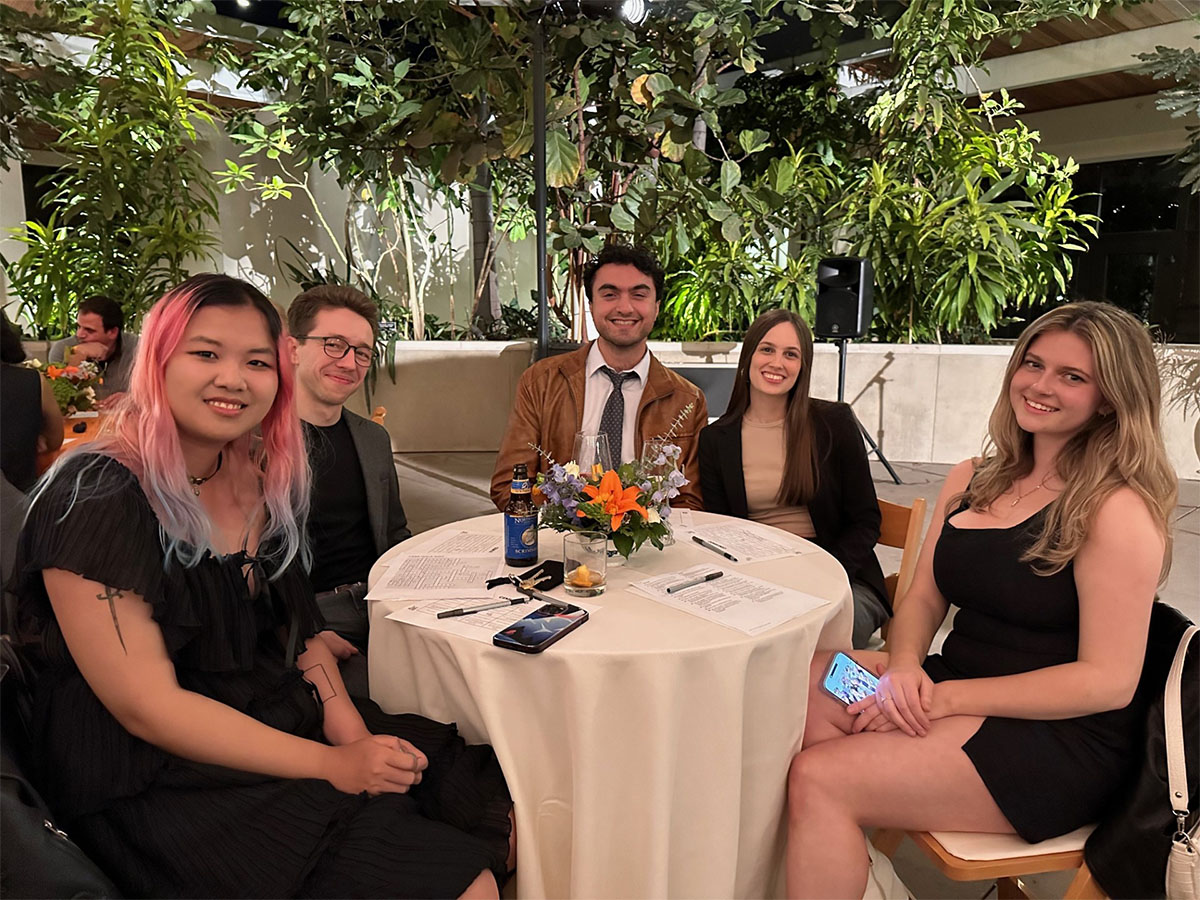
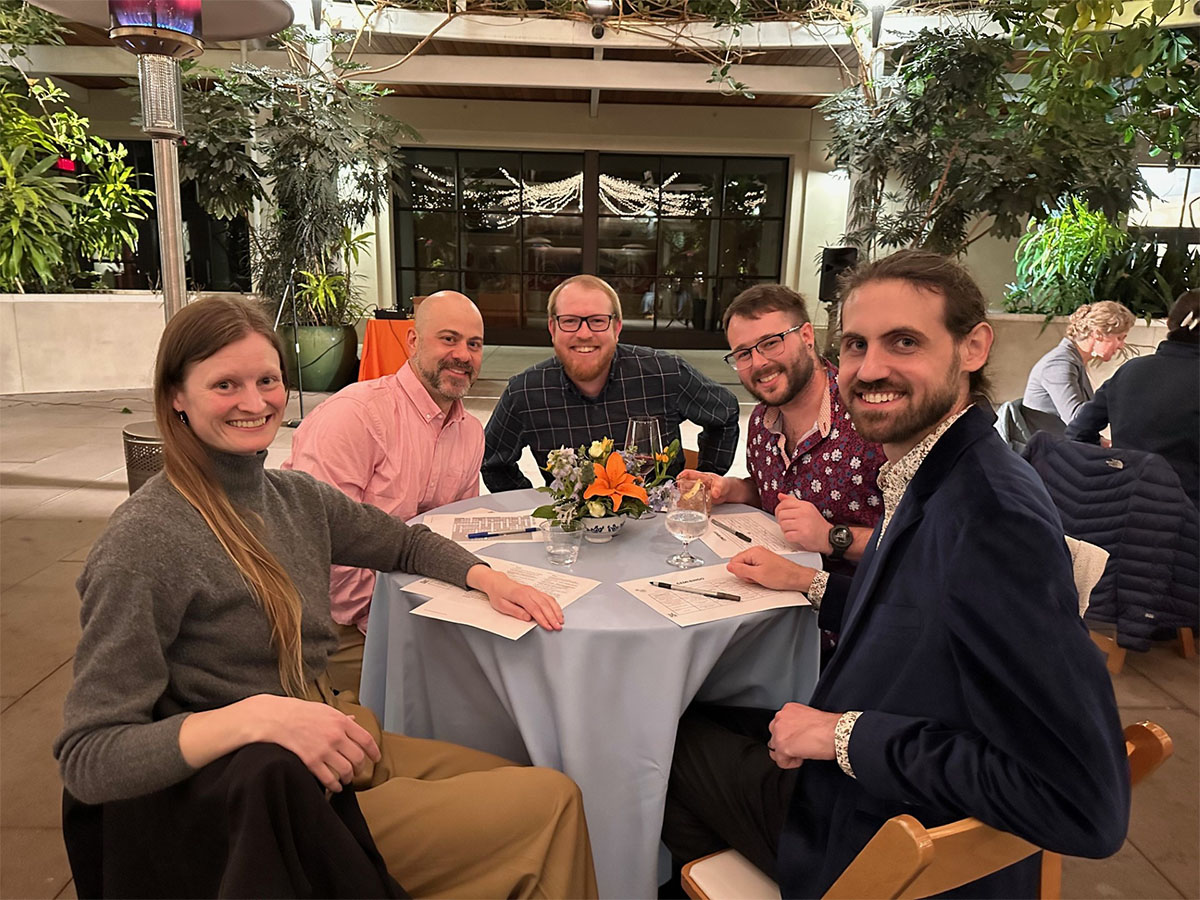
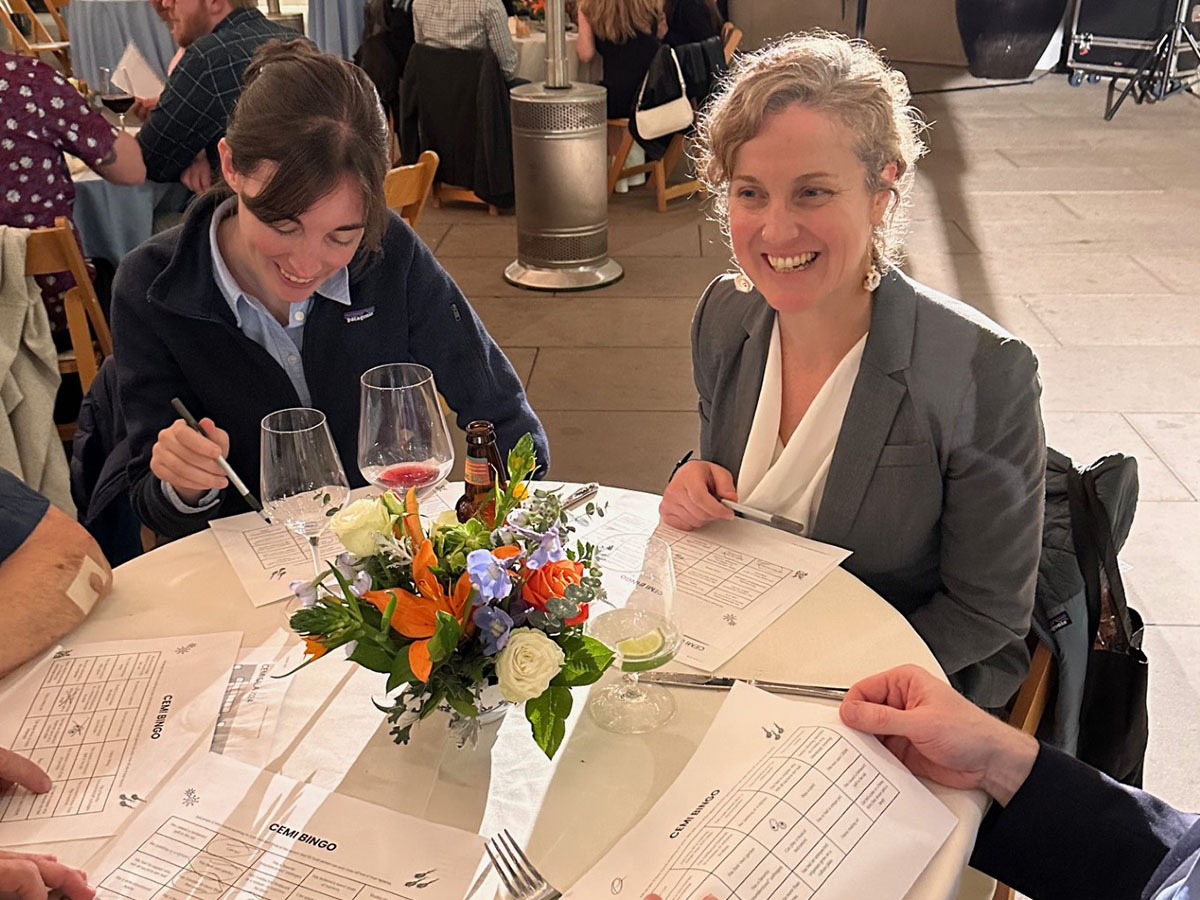
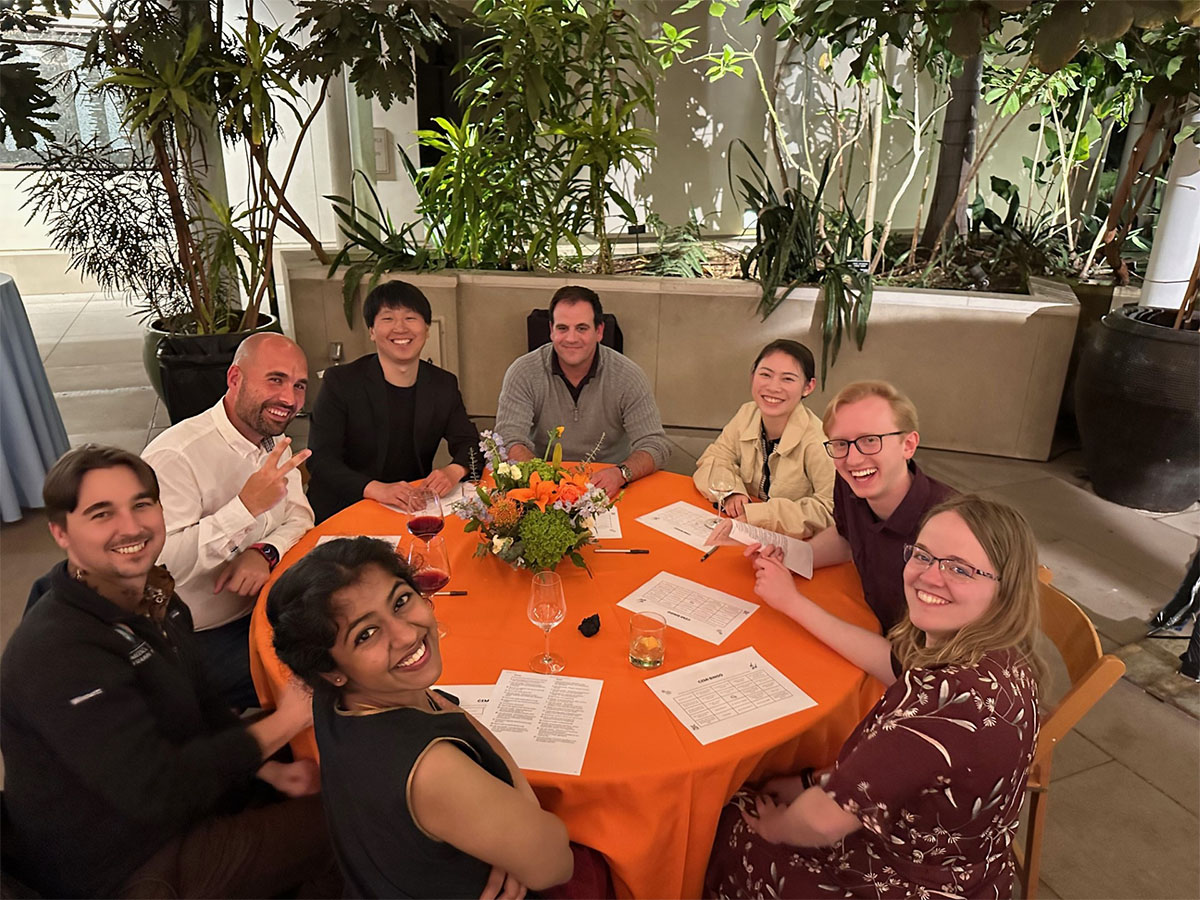
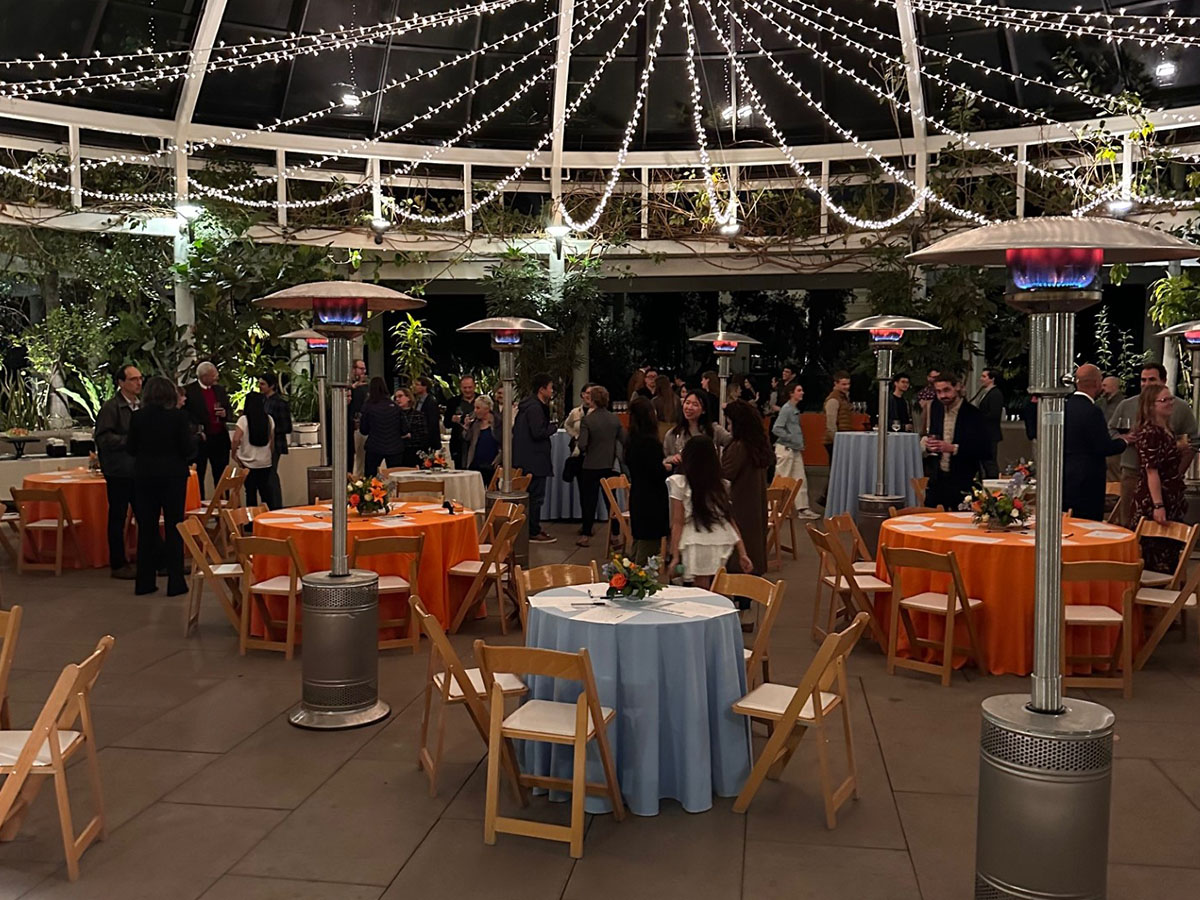
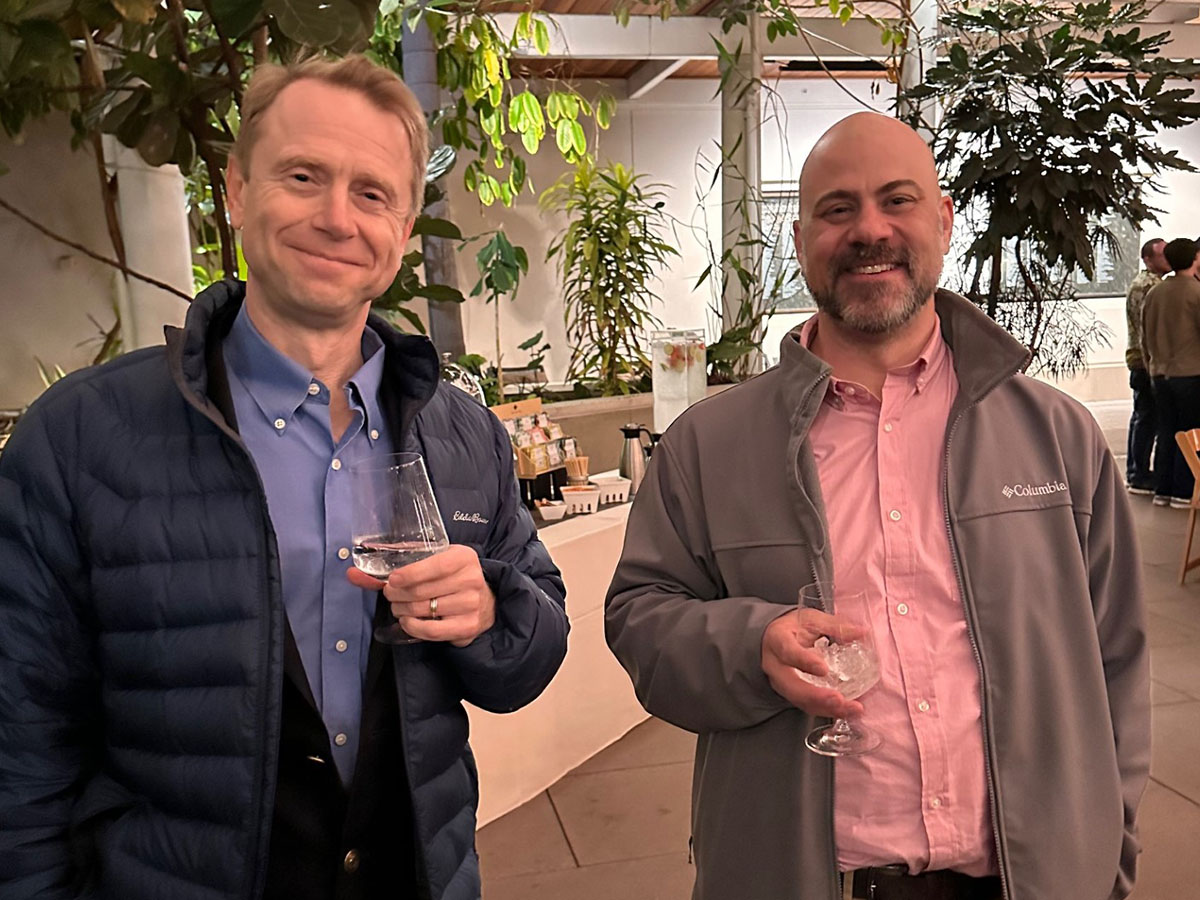
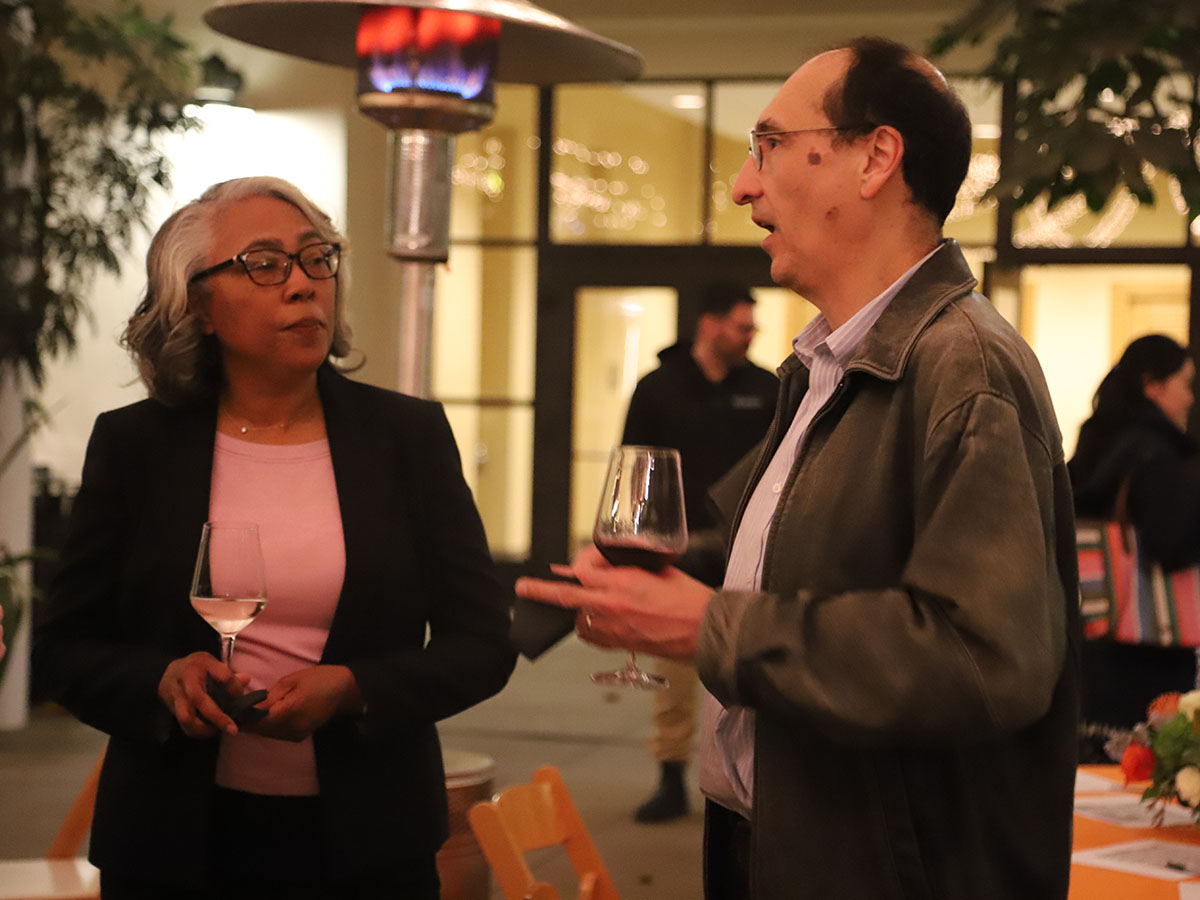
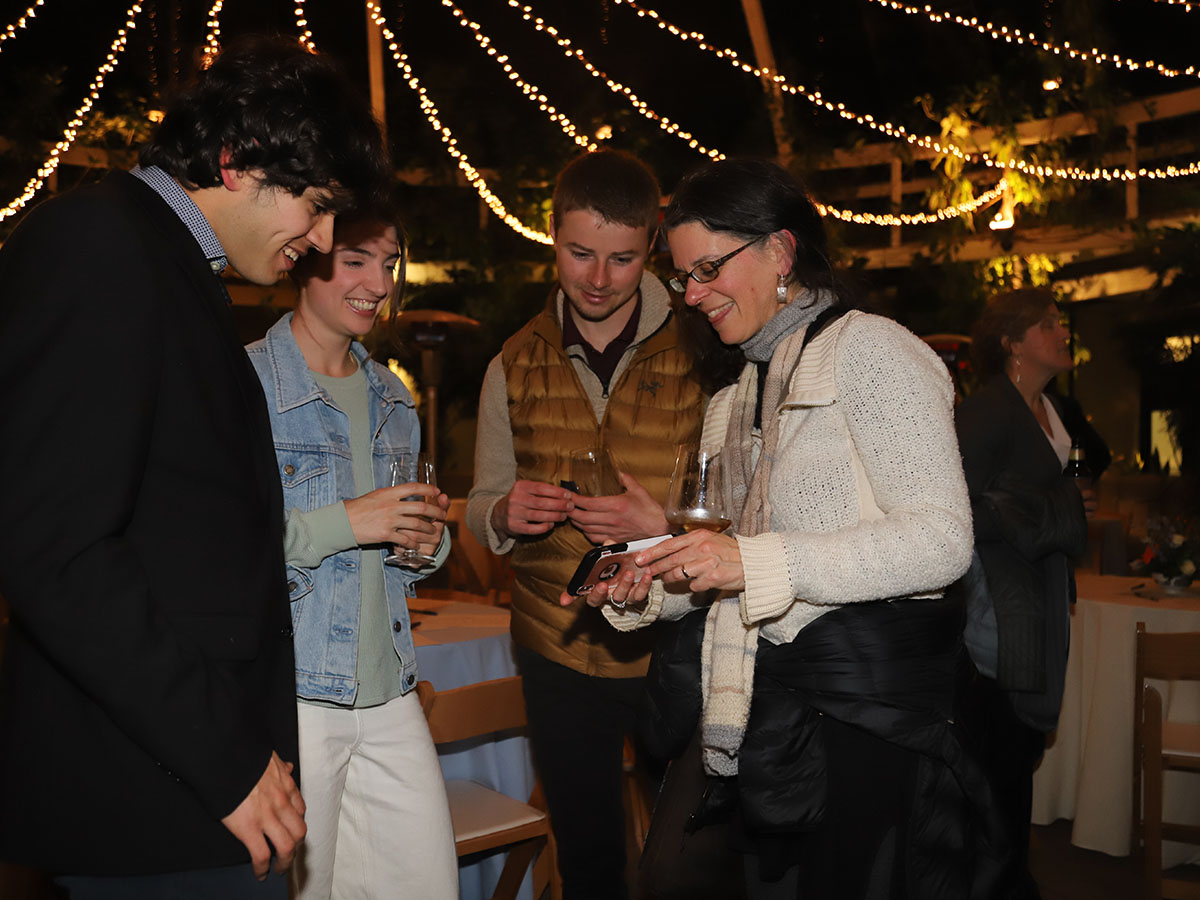
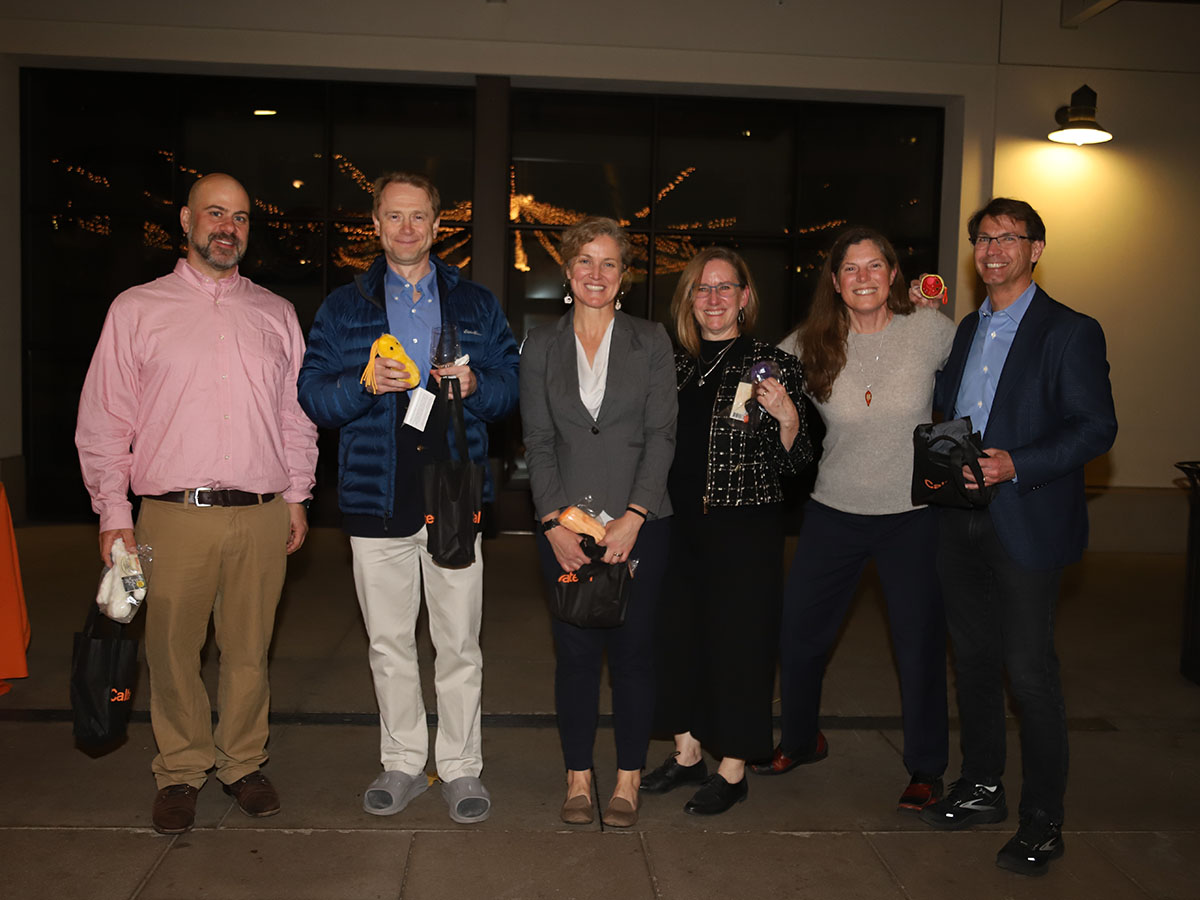
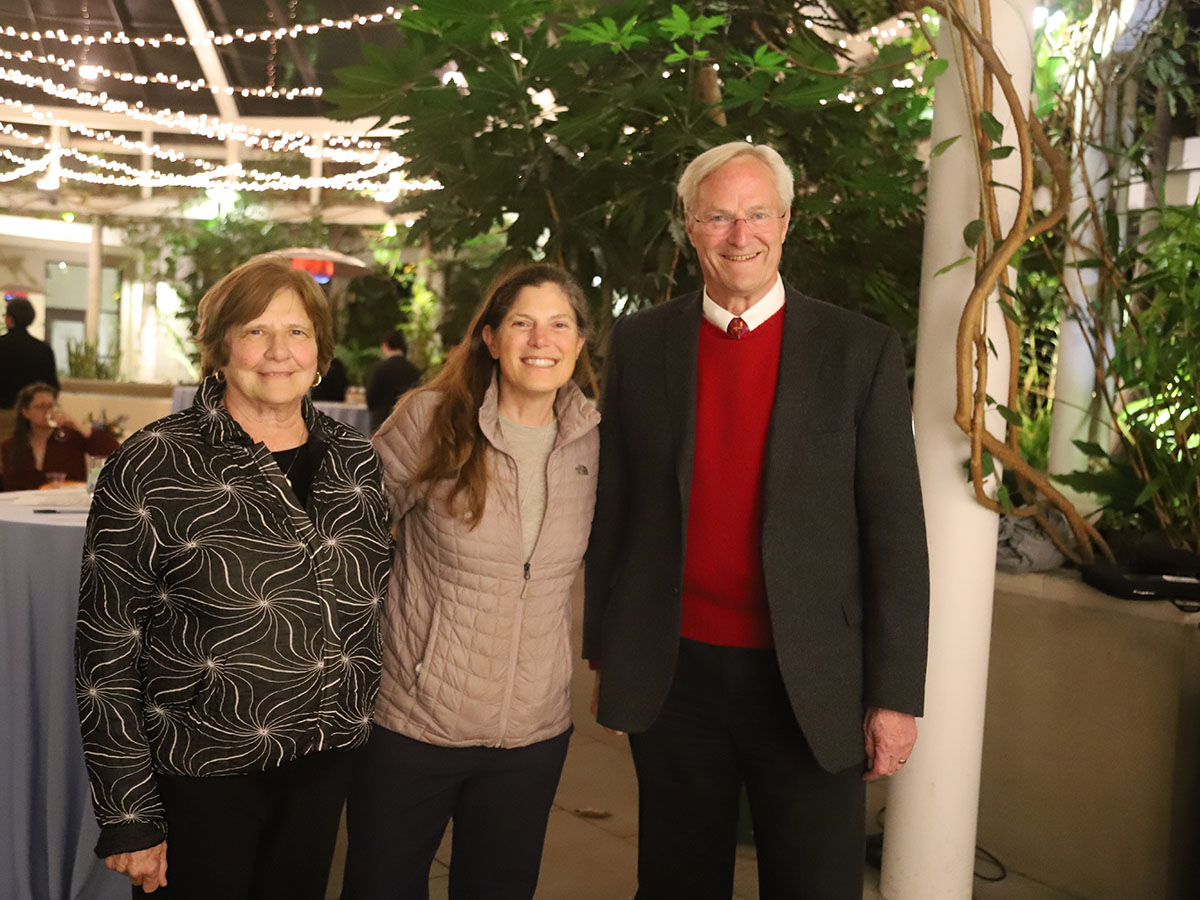
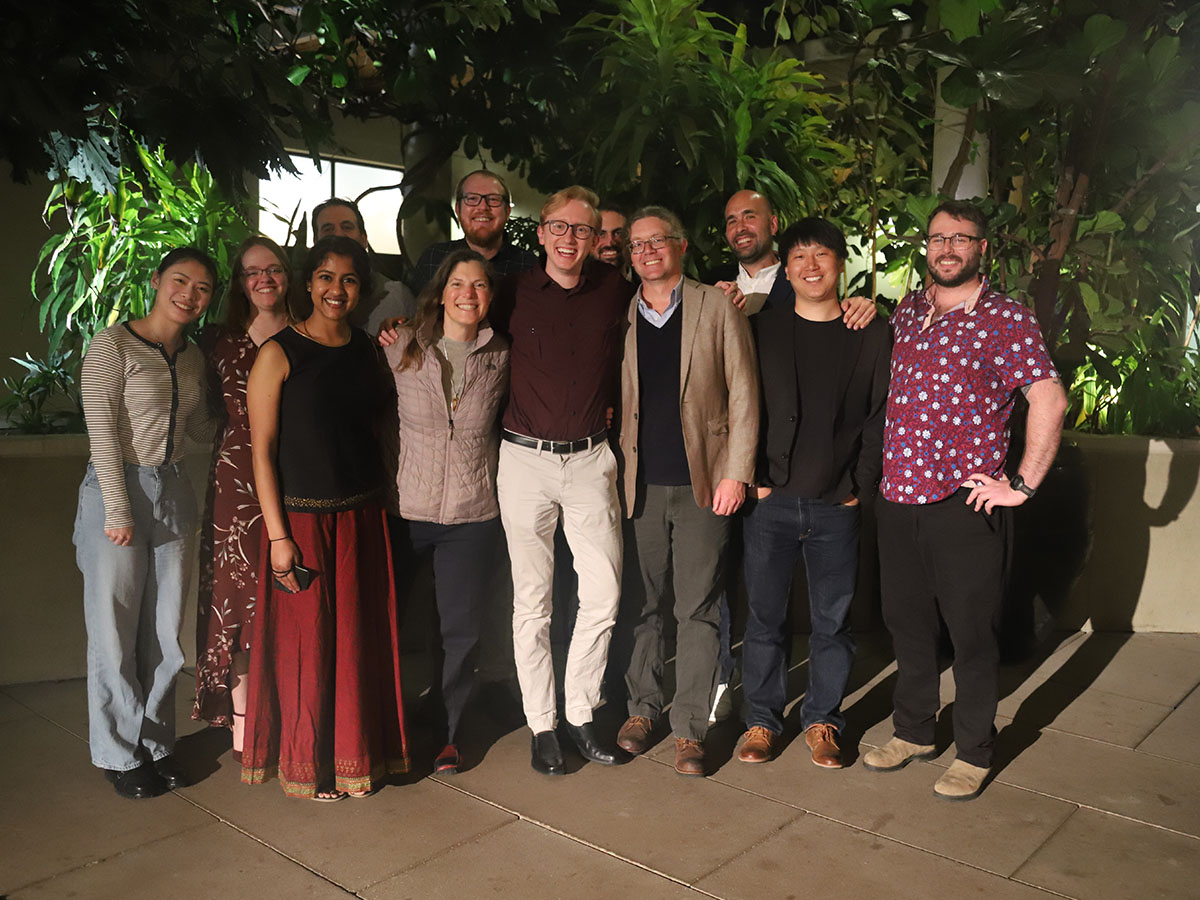
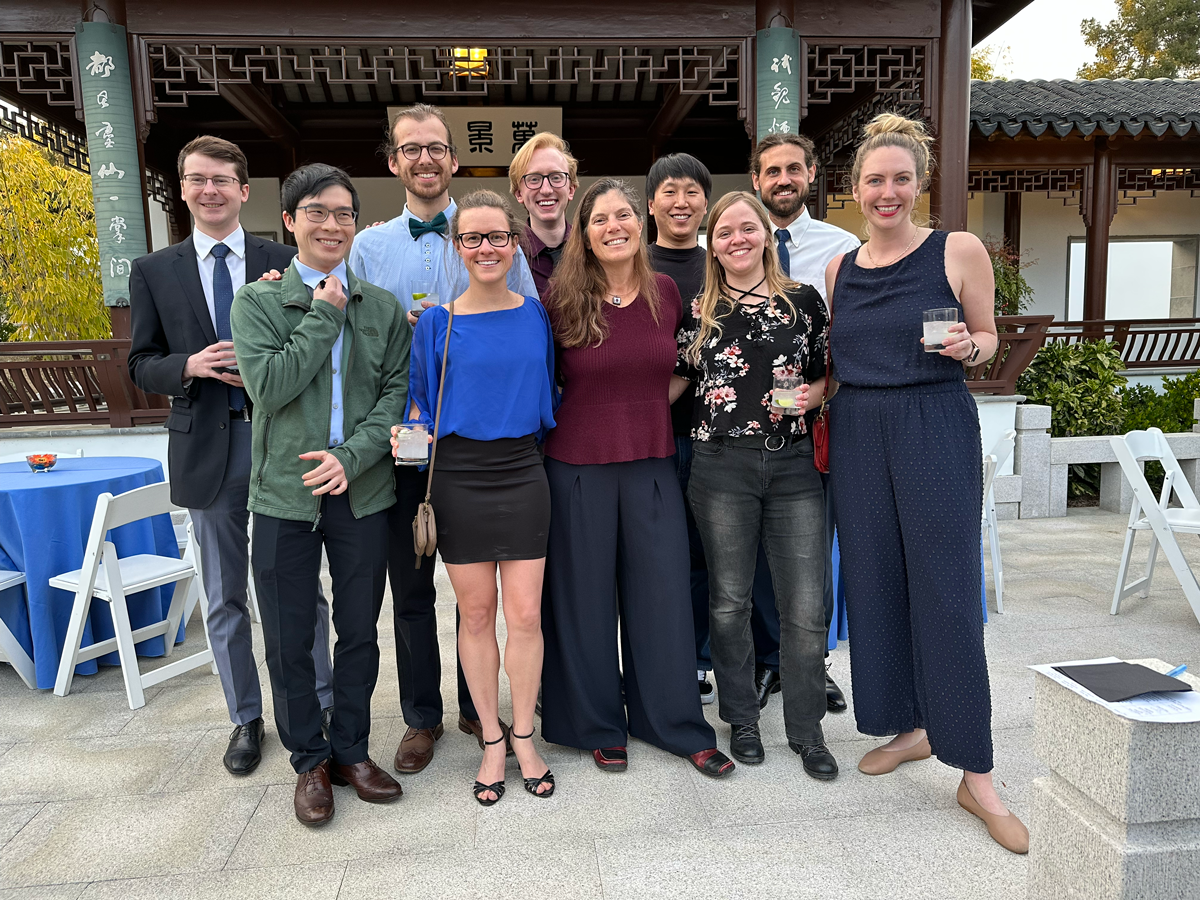
In addition to CEMINAR, CEMI sponsors social events during the academic year:
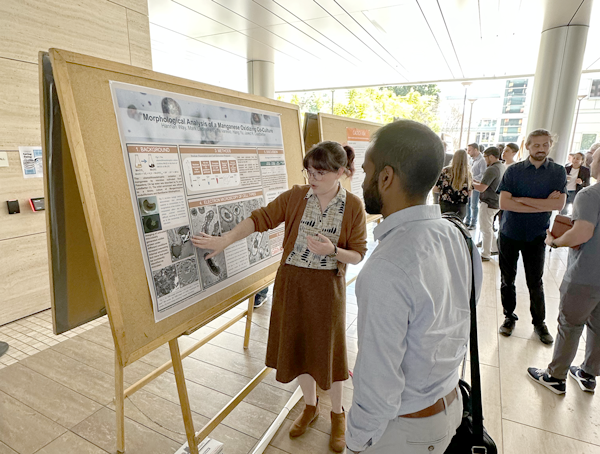
Fall Poster Sessions: All CEMI labs present one or more posters on their lab’s research. This helps incoming/current students and postdocs remain up-to-date on that latest research projects going on across the campus. One attractive feature of Caltech is that students admitted in any graduate program are welcome to rotate in any lab (as long as the lab is taking students), so this poster session can open up new interests and areas for exploration. It also can spawn new collaborations between labs.
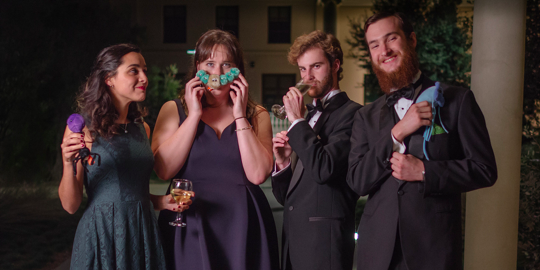
Spring Lectures and Evening Gala: To celebrate the start of the calendar year, we invite a keynote speaker from outside Caltech to give a seminar, plus a few shorter talks by assistant professors or postdocs at Caltech and other local universities. These “Spring Lectures” are open to anyone interested. As a companion event, we hold a formal gathering for a limited number of CEMI sponsors, faculty, and students and postdocs currently being supported by CEMI grants. The evening’s entertainment is organized by a different CEMI lab each year, and the evening culminates with a presentation of the “CEMI Oscars” (we are close to Hollywood, after all…), roasting CEMI members for notable achievements in the past year, all in good fun. View past lectures
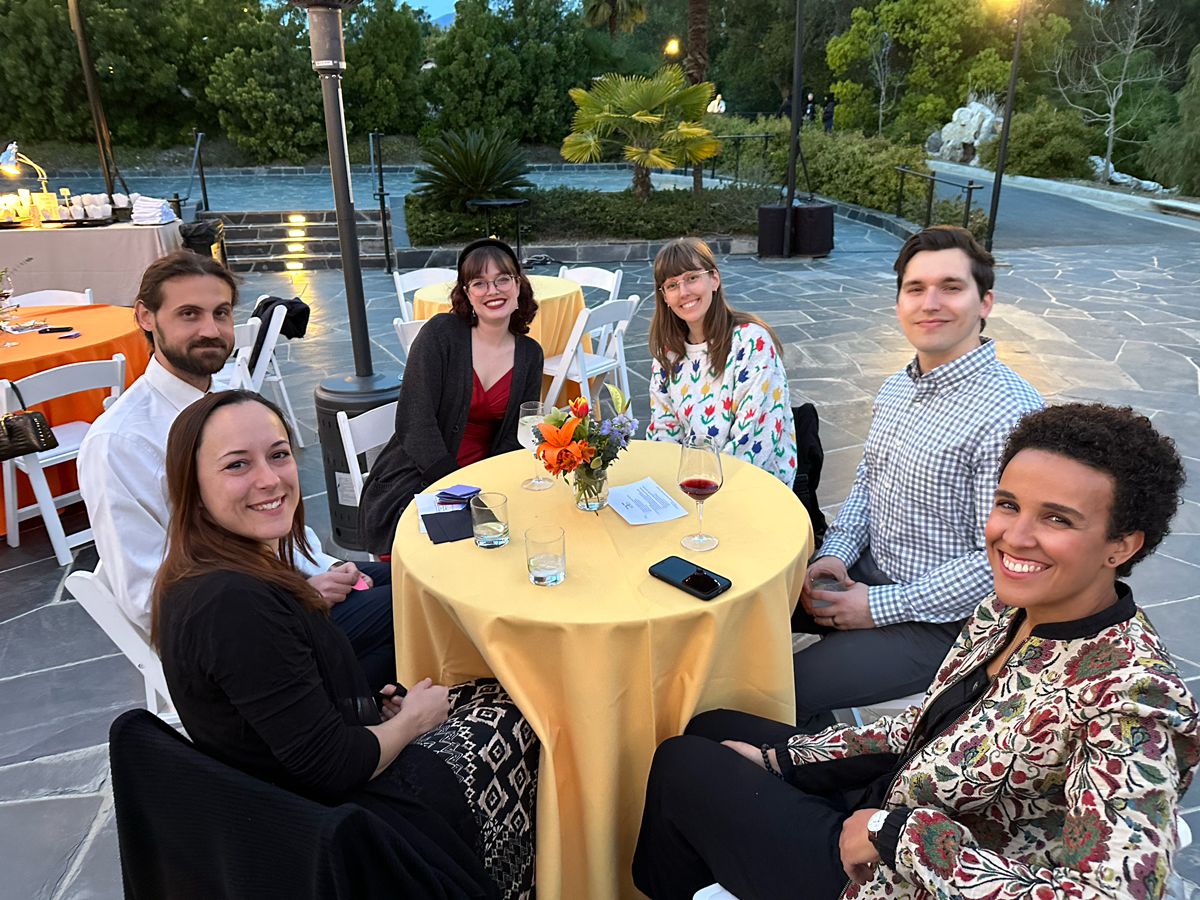
Spring Happy Hour: In recognition of the fact that sometimes the most inspired ideas come when we least expect them, we promote casual conversation between all members of the CEMI community supplemented with drinks and food at the start of the spring term (no posters required!).
CEMI Spring Celebration of Science: This hour-long science program featured short lightning talks from CEMI graduate students and postdocs followed by time to talk with the speakers and socialize with our CEMI colleagues. The inaugural event was held on May 12, 2021.
Workshops
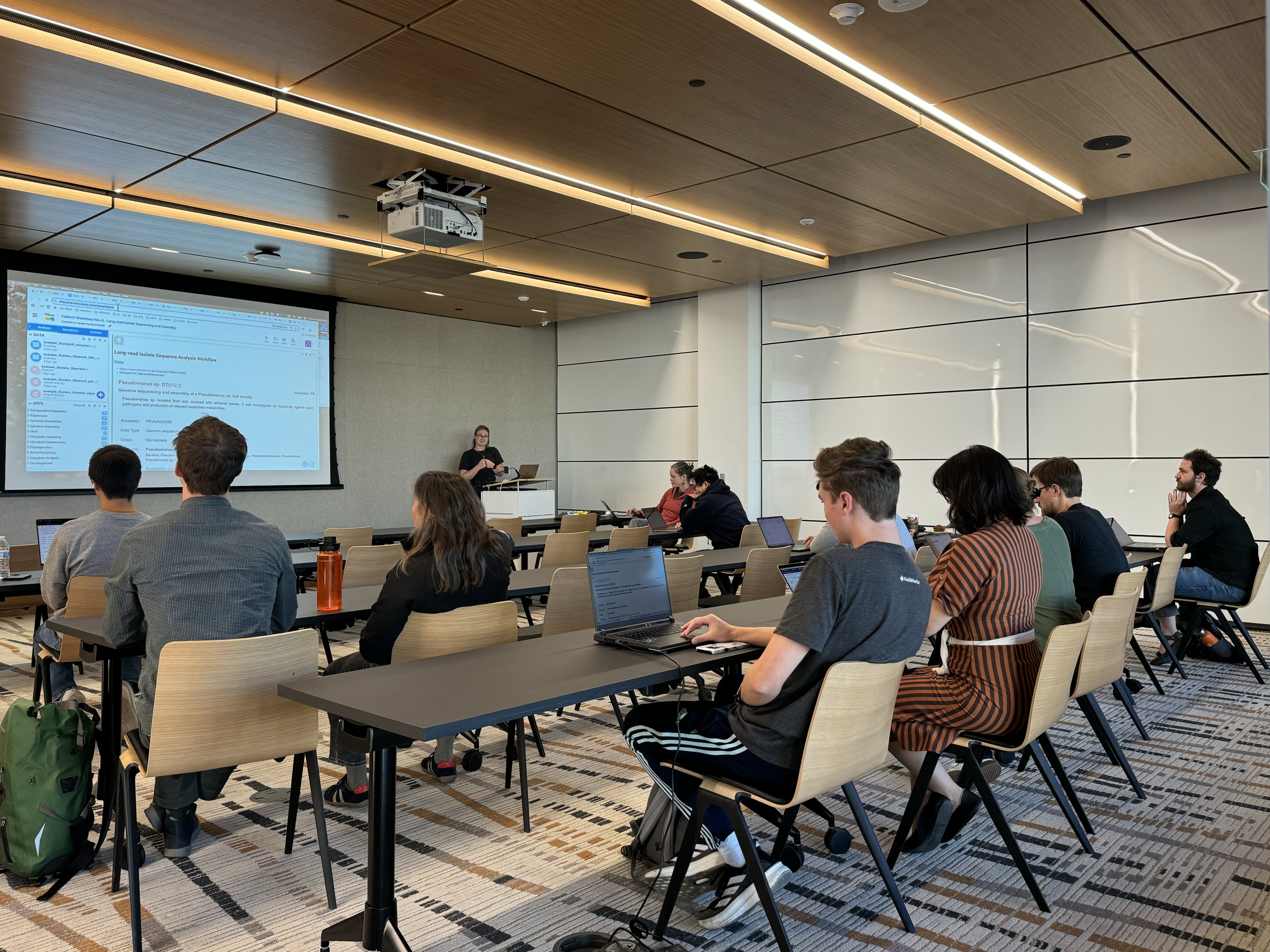
CEMI occasionally supports training courses at Caltech that provide members of the CEMI community with an opportunity for intensive training in a particular area. Any member of the CEMI community is welcome to suggest a topic for a workshop. Please contact the CEMI administrator if you have an idea. View past workshops